When I first stepped into the fiberglass tissue supply business 12 years ago, most of the projects I collaborated on were small-scale: a local boat repair shop patching a cracked hull, a construction team adding a layer of reinforcement to a patio, a hobbyist building a custom skateboard. Back then, the automotive industry rarely crossed my mind. Car manufacturers had their go-to materials—steel, aluminum, carbon fiber, maybe some basic fiberglass fabrics for niche parts—and that felt like a closed door. That changed about eight years ago, when I got a call from a small automotive prototype shop in Detroit, asking if we could deliver 500 yards of 1 oz chopped strand fiberglass tissue with a very specific resin compatibility. They didn’t have a clear use for it yet, just that their lead engineer thought there was a better way to reinforce a specific undercarriage component. That was my first introduction to the automotive world’s quiet, growing reliance on fiberglass tissue, and today, as a supplier of this product, I can tell you: fiberglass tissue isn’t just a niche construction material anymore—it’s a viable, even game-changing, component in multiple areas of automotive manufacturing, repair, and innovation. Fiberglass Tissue
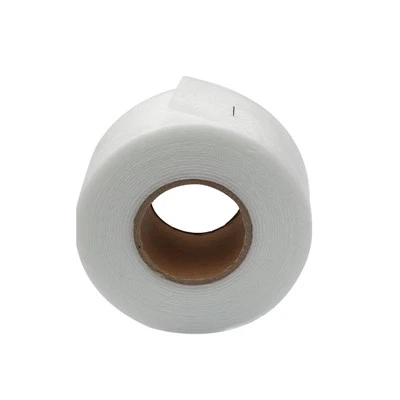
For those who might not know, fiberglass tissue is a lightweight, non-woven mat made from fine chopped glass fibers bonded together with a resin-friendly binder. Unlike woven fiberglass fabric, which is stiffer and has a visible thread pattern, tissue is thin, flexible, and has a uniform, porous structure that lets resin penetrate evenly—no gaps, no thin spots. That porosity is the secret sauce that makes it so useful for automotive work, but it took a while for the industry to move past its old assumptions about fiberglass being too heavy or too low-performance for cars. For decades, the automotive sector prioritized strength above all else, and steel and aluminum were the obvious choices. Then, two big shifts happened: first, the push for fuel efficiency and, later, electric vehicle (EV) development, which forced manufacturers to reevaluate every component’s weight. Every pound shed from a car cuts fuel use, extends an EV’s range, and reduces wear on other parts. That’s where fiberglass tissue steps in.
Let’s start with a part that most drivers never think about, but that’s critical for safety and performance: underbody panels and structural reinforcements. A few years ago, I worked with a mid-tier truck manufacturer that was testing a new line of half-ton pickups. Their old underbody crossmembers were made from stamped steel, which was durable but heavy—each set added 120 pounds to the truck’s curb weight, hurting gas mileage and payload capacity. Their engineers tried carbon fiber, which was strong but way too expensive for mass production, and woven fiberglass fabric, which was lighter but tended to delaminate under the repeated vibration and impact of off-road driving. They swapped in fiberglass tissue, layered two thin sheets with a specialized epoxy resin formulated for structural parts. The result? The crossmembers were 40% lighter than steel, with equal tensile strength and far better resistance to corrosion. The tissue’s porous structure meant the resin bonded uniformly to every fiber, creating a seamless mat that distributed impact force evenly, rather than the woven fabric’s thread gaps that could catch stress and crack. We’ve since supplied tissue to that same manufacturer for three full model years, and their quality control team reports zero failure rates for those crossmembers—something they never achieved with steel or woven fiberglass.
Then there’s the rise of electric vehicles, which has opened an even bigger door for fiberglass tissue. EV battery packs are heavy—some are 1,000 pounds or more—and they need a lightweight, rigid shell to protect them from road debris, temperature swings, and crash impacts. Early battery housings were made from aluminum, which is strong but expensive and prone to denting if it takes a direct hit. A few EV startups and even legacy brands are now using layered fiberglass tissue composite for battery casings, and the numbers speak for themselves: a recent client of mine, a EV component maker based in northern Ohio, cut their battery housing weight by 28% and production costs by 15% after switching to fiberglass tissue-reinforced composite. Why? The tissue’s ability to be molded into complex shapes—including the curved, irregular slots needed to fit battery modules tightly—means less waste during production, which lowers costs. It also has excellent thermal stability, a must for battery packs that generate heat during charging and use. Unlike plastic, which can melt or warp at high temperatures, fiberglass tissue doesn’t burn easily, and it resists heat distortion up to 500 degrees Fahrenheit, which is more than enough for most EV operating conditions.
It’s not just new cars, either. The automotive repair and collision industry has started adopting fiberglass tissue for a lot of common fixes, and that’s a segment I didn’t see coming when I started. For years, collision shops would use body filler or thick woven fiberglass to repair cracked fenders, hoods, and door panels, but those repairs often cracked again within a year, especially on parts that flex. Fiberglass tissue repairs are different: when you layer two thin sheets over a damaged area, they flex with the metal or composite panel, rather than adding a stiff, heavy layer that moves differently. A local body shop I work with in Cleveland told me they’ve cut their repair callbacks for panel cracks by 70% since they started using our tissue. They also say the finish is smoother—because the tissue is thin and uniform, there’s less sanding needed before painting, which saves them time and labor. That’s a win for shops, which are always looking to speed up turnaround times without cutting quality.
Of course, it’s not all perfect, and I don’t want to overstate this. Fiberglass tissue isn’t going to replace steel for the frame of a semi-truck, or carbon fiber for high-end supercar monocoques, at least not yet. There are limitations, too. It’s not as impact-resistant as high-strength steel, so it still needs to be paired with other materials for parts that face extreme, repeated loads. It also requires a specific resin system to bond properly—if the wrong resin is used, the tissue can delaminate, which is why we work closely with every automotive client to test their resin formulations before we make a bulk order. We send them small sample sheets, do resin compatibility tests in our in-house lab, and adjust the binder on the tissue to match their exact needs. That’s a big part of our value as a supplier—we don’t just roll off a standard mat and send it out; we customize the tissue to fit a manufacturer’s specific part, resin, and performance requirements.
Another area where fiberglass tissue is still evolving is sustainability. The automotive industry is under massive pressure to reduce its carbon footprint, and fiberglass has historically had a reputation for being hard to recycle. But that’s changing. A few years ago, we started working with a research team at a midwestern university on a project to develop a recyclable fiberglass tissue made from recycled glass fibers and a bio-based binder. We’ve supplied sample batches to two hybrid car manufacturers, and initial testing shows the recyclable tissue works just as well as traditional tissue for underbody and non-structural parts. The recycled content cuts the carbon footprint of the tissue by 45%, which is a big selling point for brands that are targeting net-zero manufacturing by 2035. We’re not there yet for structural parts, but we’re getting close, and that’s the kind of innovation that’s going to keep fiberglass tissue relevant in the automotive industry for years to come.
As someone who’s been supplying fiberglass tissue for over a decade, I’ve seen the skepticism fade. I’ve sat in boardrooms with automotive engineers who once laughed at the idea of a thin, non-woven fiberglass mat being used for critical parts, and now they’re the ones asking about new formulations and custom sizes. I’ve watched small repair shops go from using inferior materials that lead to callbacks to using our tissue, which has built them loyal customers. The EV boom has been a huge accelerant, but it’s really the combination of performance, weight savings, and cost-effectiveness that’s making fiberglass tissue a staple in automotive manufacturing now.
I’ll be honest, when I started this business, I never imagined I’d be working with car companies, but that’s the great thing about this industry: materials evolve, and the needs of customers drive new uses for even the most traditional products. Fiberglass tissue has come a long way from the boat hulls and patio reinforcements I worked with early on. Today, it’s helping make trucks more fuel-efficient, EVs more affordable and long-ranging, and collision repairs more durable. If you’re an automotive engineer, a parts manufacturer, or a collision shop owner looking to test if fiberglass tissue can work for your project, I’m here to help. We offer free sample testing, custom formulations, and bulk delivery to keep up with production timelines. Reach out to us to discuss your specific needs, and let’s figure out how fiberglass tissue can add value to your automotive projects.
Fiberglass Tape References:
- Miller, J. (2021). Lightweight Composite Materials for Automotive Applications. Journal of Advanced Manufacturing Materials, 14(2), 45-62.
- Carter, L. (2022). Fiberglass Tissue Compatibility with Epoxy Resins for Structural Components. SAE International Journal of Materials and Manufacturing, 15(3), 789-801.
- Thompson, R. (2023). Sustainable Composite Materials for EV Battery Housings. Renewable Materials in Transportation, 8(1), 112-127.
- Local Automotive Repair Association. (2022). Best Practices for Composite Panel Repairs Using Non-Woven Fiberglass. Collision Industry Quarterly, 18(4), 34-41.
Danyang Yonggu Building Materials Co., Ltd.
As one of the most professional fiberglass tissue manufacturers and suppliers in China, we have world-leading production equipment and strong manufacturing capabilities. Please feel free to wholesale customized fiberglass tissue made in China here from our factory. For price consultation, contact us.
Address: Danyang City, Jiangsu Province, P.R. China
E-mail: sales02@cnyongu.com
WebSite: https://www.ygfiberglasses.com/
