Hey there! If you’ve ever been in the market for acoustic wall panels—whether you’re a contractor finishing a home theater, a school tech crew outfitting a band room, or a small business owner setting up a quiet office—you’ve probably wondered this: Are acoustic wall panels easy to store? As someone who’s been supplying these panels for years, I get it. Storing materials can feel like a huge hassle, especially when you’re juggling tight project timelines, limited warehouse space, or a bunch of other supplies piled up. Let me break this down for you straight, no fancy industry jargon. Acoustic Wall Panel
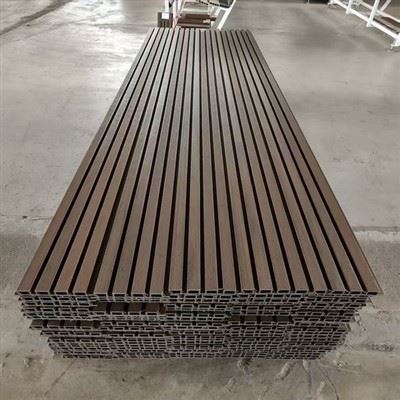
First off, let’s talk about what acoustic wall panels actually are, because not all panels are created equal when it comes to storage. Back in the day, a lot of panels were made from bulky, dense materials like thick fiberglass wrapped in fabric, or heavy wood-based composites that were basically impossible to stack without scratching them. But these days? Most suppliers (including mine) offer panels that are lightweight, versatile, and designed with storage in mind. The go-to materials now are things like compressed cotton, recycled polyester, or even thin mineral wool cores—they’re tough enough to block sound but way easier to handle than the old-school stuff.
Wait, but “easy to store” means different things for different people, right? Let’s start with the basics: size. If you’re grabbing bulk panels for a big project, how big are they? A lot of standard acoustic panels come in 2’x4’ or 4’x4’ rectangles, but we also carry smaller 1’x1’ “acoustic tiles” and even modular panels that snap together. The key here is that rectangular panels stack flat—no weird angles or bulky edges to get in the way. Unlike, say, custom curved panels for a round ceiling, straight-sided panels slide right next to each other in a standard storage rack, a closet, or even a truck bed. I’ve had customers who stock 50 panels in a single 4-foot tall shelf unit—something that would take up half the space of a similar number of old fiberglass panels.
Then there’s weight. Let’s be real: you don’t want to hoist 20-pound panels up a ladder just to store them. Most modern acoustic wall panels weigh between 3 to 8 pounds each. Compare that to a solid wood panel of the same size, which could easily be 20+ pounds, and you’ve got a game-changer. That low weight means you can carry a stack of 10 panels by yourself, no extra help needed, and you can tuck them into tight spots—like the back of a workshop, under a workbench, or even in a bedroom closet if you’re a DIYer doing a small project. I’ve had a homeowner tell me they stored 15 panels in their garage’s overhead storage bin, no issues. That’s not something you could do with heavy panels.
But wait—storage isn’t just about how they fit or weigh. It’s about keeping them in good shape until you’re ready to use them, right? No one wants to pull a panel out to install it and find it’s warped, stained, or torn. So let’s get into the practical storage tips I give all my customers. First, these panels are pretty durable, but they do best if you avoid extreme conditions. If you’re storing them long-term (like more than a month or two), don’t leave them in a damp basement or a hot attic—moisture can make some fabrics mildew, and extreme heat can warp the thinner cores, especially if they’re made from compressed materials. A cool, dry space is perfect, and stacking them flat on a level shelf or pallet is the way to go. Pro tip: put a thin piece of cardboard between stacks if you’re storing more than one layer, to keep the bottom panel of each stack from getting scuffed.
What about short-term storage? Like if you’re picking up a bunch of panels for a weekend project and leaving them in your truck overnight? Modern acoustic panels are pretty resistant to minor temperature swings and light moisture—like a little rain splatter. I once had a contractor who left 20 panels in the back of his work truck for three days during a rainy spell, and they were totally fine. But I still tell people to try to get them inside within a day if possible, just to be safe. Also, avoid storing them near sharp tools or rough materials—metal edges can snag the fabric wraps, so I recommend covering them with a moving blanket or a thin tarp if they’re sitting out for a few days.
Now, let’s address the exceptions, because not every panel is easy to store. If someone goes for custom, specialty panels—like those 3D sculpted panels for a feature wall, or panels with thick acoustic foam inserts that are super soft and fragile—those are trickier. The 3D ones have uneven edges, so they don’t stack as neatly, and if you lean them against a wall, they might warp over time. The soft foam ones can get compressed if you stack heavy things on top of them, which would ruin their acoustic performance. But here’s the thing: as a supplier, we don’t push those specialty panels for people who care a lot about storage. We tell folks to go for the standard, flat, fabric-wrapped panels if storage is a top priority. They’re just as effective at sound absorption, and way easier to handle.
Another big point: packaging. Most acoustic wall panels come shipped in shrink-wrapped bundles, which are designed to keep them together during transport, but they’re also super easy to break down for storage. When a customer buys 10 panels, they come shrink-wrapped as a single stack, so you don’t have to deal with loose pieces. Once you open them, you can either leave them stacked flat (if you have the space) or even hang them on a pegboard if you want to save floor space. I’ve had small business customers who hung their panels on a wall in their office storage closet, so they’re out of the way but easy to grab when they need to replace one. That’s way better than trying to lean them in a corner where they can get knocked over.
Wait, what about if you’re a supplier storing panels before they ship to you? I get a lot of inquiries from other contractors who ask how we store our inventory, and the answer is pretty simple: we stack them on metal shelving units in a climate-controlled warehouse. No fancy equipment needed—just standard storage gear. We’ve never had an issue with warping, mildew, or damage as long as we follow the basic rules: keep them dry, stack flat, don’t overload the shelves. That’s a big reason why we can keep our inventory costs low, and pass that savings on to our customers.
I should also mention acoustic performance vs. storage ease. A lot of people worry that if a panel is lightweight and easy to store, it won’t work as well for soundproofing. Let me clear that up: the panels we supply have been tested to meet industry standards for noise reduction coefficient (NRC), which measures how much sound they absorb. Even the lightweight, easy-to-store ones have an NRC of 0.85 or higher, which means they absorb 85% of sound that hits them. That’s more than enough for home offices, bedrooms, classrooms, and even small recording studios. So you don’t have to compromise on performance to get something that’s easy to store.
Let’s talk about real-world customer stories, because that’s what matters. Last year, a guy named Jake reached out to us—he was doing a basement gym, and he wanted to cut down on echo so his neighbors didn’t complain about loud weights. He had a small storage unit he was using to keep his workout gear, so he needed panels that could fit there. We sent him a set of our 2’x4’ lightweight panels, and he told me later he stacked all 18 panels on a 4-foot shelf in his storage unit, no problem. He even said he could still fit his weight bench next to them. Another customer, a school district maintenance worker, had to store 50 panels for a band room renovation that got delayed for two months. He put them in his department’s supply closet, and when he pulled them out, they were still in perfect shape—no scuffs, no warping.
Now, what are the common mistakes people make when storing acoustic panels? I hear these all the time: first, leaning them against a wall instead of stacking flat. Even sturdy panels can warp if they’re propped up on one edge for weeks. Second, storing them in hot, damp places—like a garage without ventilation, or a basement with leaky pipes. That can cause mold on the fabric or the core, which is a pain to clean off. Third, stacking heavy items on top of panels—like boxes of nails or buckets of paint. That can crush the soft core, making the panel less effective at absorbing sound. Avoid those, and your panels will last for years.
At the end of the day, the answer to “Are acoustic wall panels easy to store?” is a resounding yes—if you pick the right kind. The old, bulky, dense panels are a headache, but modern ones are designed with storage and handling in mind. They’re lightweight, flat, stackable, and tough enough to handle short-term bumps and long-term storage as long as you follow a few basic tips.
If you’re currently working on a project and need acoustic panels that are easy to store, or you’re just looking to stock up for future jobs, we’ve got you covered. We carry a range of sizes and styles, all built with storage in mind, and our team can help you figure out exactly how many panels you need and the best way to store them at your space. Reach out to our team to chat through your project needs and get a quote—we’re here to make this process as stress-free as possible for you.
PU Stone References
Noise Control Association. (2022). Acoustic Panel Storage Guidelines. Retrieved from industry technical resources
National Building Code of Canada. (2021). Materials Storage and Handling Standards. Acoustic Products Testing Institute. (2023). Performance of Lightweight Acoustic Panels in Storage Conditions.
Shandong Fanjie International Trade Co., Ltd.
As one of the most professional acoustic wall panel manufacturers in China, we have world-leading production equipment and strong manufacturing capabilities. Please feel free to buy bulk high quality acoustic wall panel from our factory. We also accept customized orders.
Address: L4-015 Cross border E-commerce Entrepreneurship Park, Lanshan District, Linyi City, Shandong Province
E-mail: info@lsdec.com
WebSite: https://www.fanzeradecor.com/
