Hey everyone, it’s Jake from the carton shop, and let’s cut to the chase—if you’ve ever ordered a bunch of boxes only to have them collapse mid-shipment or get crushed before your inventory even hits the warehouse, you know how big of a headache that is. I’ve been in the carton game for 12 years, and one thing I can’t stress enough is that “good cartons” aren’t just about how they look. There’s actual science and standards that go into making a box that works for your specific needs. Today, I’m breaking down what really counts when it comes to carton quality—no fancy jargon, just the real deal that I’ve seen make or break clients’ shipments time and time again. Cartons
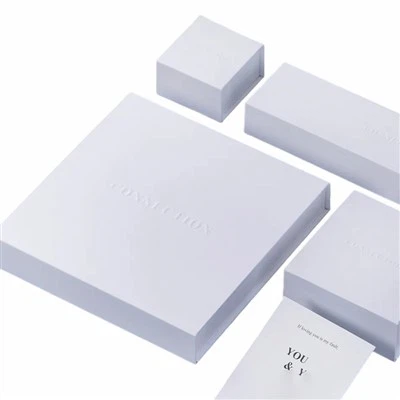
First up, let’s talk about the backbone of every carton: the corrugated fiberboard. You’ve probably seen those little wavy layers inside, right? That’s the corrugated medium, and it’s glued to the flat linerboard on the outside. Not all of these papers are created equal, and the grade you pick makes all the difference. The main standards here are based on the burst strength and the edge crush test (ECT), and yeah, I get it—those sound like just another industry term, but let’s translate that. Burst strength is how much pressure it takes to pop a hole through the face of the box. Edge crush test is how much force it can take along the sides of the corrugated layers.
For example, if you’re shipping heavy stuff like tools or canned goods, you can’t skimp on ECT. I once had a client who used cheap ECT-32 boxes for 50lb parts, and every other pallet ended up with 10+ crushed boxes. They switched to ECT-44, and that problem vanished. For lighter stuff like clothing or office supplies, ECT-22 or 26 works fine. And burst strength? A good rule of thumb is that it should be roughly twice the ECT number, but always, always match it to your weight. If someone tries to sell you a “strong” box that’s actually thin paper, walk away—we test every single roll of linerboard and medium we get before we even touch it, because cutting corners there is just asking for trouble.
Next, let’s dive into the flute profile, which is basically the size of those wavy ridges inside the carton. There are four main flutes—A, B, C, E—and each is for a totally different job. A-flute is big, super cushiony, but not great for stacking. Think of it as the “shock absorber” flute, good for fragile stuff like glass or electronics that takes a lot of jostling. C-flute is the workhorse—medium size, balances cushioning and stacking strength, which is why it’s the most popular for standard shipping. B-flute is smaller, flatter, so it’s perfect for printing, like retail boxes you see on store shelves. E-flute is tiny, super smooth, used for small, premium packaging like lip balm or small gadgets that need a sharp look.
I’ve had so many clients mix these up because they just grab the first box they see. A startup selling custom mugs once ordered E-flute because it looked cool, and every time we shipped 12 of them in a box, they broke. We switched them to B-flute for the outer layer with a thin E-flute inner, and boom—no more broken mugs. The moral here? Don’t pick a flute because it looks nice—pick it for what you’re shipping. That’s a key standard most people miss: matching flute size to your product’s fragility and shipping method.
Then there’s the actual construction of the carton—how it’s cut, scored, glued, and sealed. Let’s start with scoring, because that’s make or break for how easy a box is to assemble and how strong it stays. The score line is the indent that lets you fold the box into shape. If it’s too shallow, the cardboard will crack when you fold it, and weak spots mean boxes can collapse under pressure. If it’s too deep, the linerboard will tear, and again, that’s a failure point. We use a scoring rule that’s 1/4 the thickness of the total corrugated board for every flute—tested, proven, no cracks, no tears, every time. Gluing is another one. The side seams of a carton—you can either have glued seams or stapled. Glued is way stronger, no doubt, but cheap suppliers might use weak glue that comes undone if it gets wet. We use water-based, high-tack glue that bonds the layers so well you’d have to rip the cardboard to pull the seam apart. Staples are fine for one-off boxes, but if you’re doing bulk shipping, glued is non-negotiable for consistent quality.
Also, don’t sleep on the moisture content of the carton. Corrugated board is basically paper, so it absorbs moisture like a sponge. If a box is too damp, it loses 30-40% of its strength—talk about a surprise! We test every batch for moisture, keeping it between 8-12%, which is the sweet spot. If it’s too dry, the board gets brittle and cracks. Too wet, it’s weak. I once had a client store their boxes in a leaky warehouse, and by the time they used them, they were so flimsy they couldn’t hold a single case. The standard here is ISO 187, which covers paper and board moisture, but like I said, we don’t just follow the number—we check every load when it arrives, because humidity in transit or storage can throw that off.
Wait, what about custom stuff? Like printing on the boxes? People often think printing doesn’t affect quality, but it does. If you’re using flexographic printing (the most common for bulk), you need to make sure the ink doesn’t seep through the linerboard and weaken it. We use soy-based inks that dry fast and don’t absorb into the corrugated layers, so the strength stays intact. If we notice a print job that’s bleeding too much, we fix it before it goes out—no exceptions. Also, if you need coatings, like water-resistant or UV, that’s a whole other standard, but we only use coatings that don’t add unnecessary weight or sacrifice strength. A good carton should work as hard as it looks, not just look good.
Let’s talk about third-party testing, because that’s what separates the real suppliers from the ones who cut corners. At our shop, we send every 500th box from a production run to a local lab to test for burst strength, ECT, and stacking resistance. Stacking resistance is how much weight a pallet of boxes can hold over a period of time—super important if you’re storing inventory for weeks before shipping. The lab results mean we can stand behind every box we send, no excuses. I’ve had clients come to us after getting boxes from another supplier that passed some quick on-site tests but failed in real-world use, because the supplier skipped lab testing to save cash. For us, that’s not an option—our name’s on every box, so we need to know for sure they’re up to snuff.
Another thing: size accuracy. It might sound trivial, but if your cartons are off by even 1/8 of an inch, stacking them on pallets is a nightmare. Boxes that are too small don’t close right, boxes that are too big shift around in transit, which can break products. We use computerized cutters now, not manual ones, so every carton is within 0.05 inches of the ordered size. No more “close enough” garbage. That’s a standard that’s easy to overlook, but it saves so much hassle for both us and our clients.
Let’s get real for a second—every supplier will say their cartons are high quality. The difference is in the details. When I started this business, I watched my dad (who was in the box game for 30 years) test every single box by dropping it from 6 feet onto concrete. He’d check if it collapsed, if the seams held, if the product inside was safe. We still do that random drop test for every batch, because at the end of the day, cartons have to protect your stuff when it’s being tossed around by shipping guys, stacked high in warehouses, left out in the rain. That’s the real standard, not just numbers on a sheet.
If you’re tired of cartons that let you down—whether they crush mid-shipment, tear when you seal them, or just look cheap—hit us up. We work with all kinds of businesses, from small e-commerce shops to big retailers, and we tailor every box to your specific needs. No generic “one size fits all” garbage, just cartons that do what they’re supposed to: keep your products safe, save you money on replacements, and make your shipping run smoothly. Reach out anytime to chat about your order, test a sample, or even just ask questions—I’m always here to help.
Molded Fiber Packaging for 3C Electronics References
ASTM D3951 Standard Practice for Commercial Packaging
ISO 12048 Corrugated Fiberboard – Determination of Edge Crush Resistance (ECT)
TAPPI T410 Omnibus: Physical Testing of Paper and Paperboard
Dongguang K.B.D Pulp Mould Package Products Co., Ltd.
We are one of the most experienced cartons manufacturers and suppliers in China, specialized in providing high quality products and service. Please feel free to buy bulk customized cartons from our factory. For quotation and free sample, contact us now.
Address: No.4 Caimei 1st Road, Longjiantian Country, Huangjiang Town, Dongguan, China
E-mail: Kevin.wang@kbd.com.cn
WebSite: https://www.kbd-pack.com/
