As someone who’s spent the last 12 years working with fleece fabrics—first as a warehouse hand pulling orders for small retail brands, now as a supplier who troubleshoots client questions over Zoom every week—one of the most common mix-ups I hear is between polar fleece and microfleece. It makes sense, honestly. Both are soft, cozy, and marketed as “warm without bulk,” so it’s easy to group them together if you’re only shopping for fabric for the first time. But for product designers, sewers, or buyers who need to pick the right material for things like outdoor gear, loungewear, or baby blankets, the difference isn’t just technical—it directly impacts how your end product performs, feels, and lasts. Let’s break this down like I would to a client sitting across my desk, no industry jargon that makes your eyes glaze over. Fleece Fabric
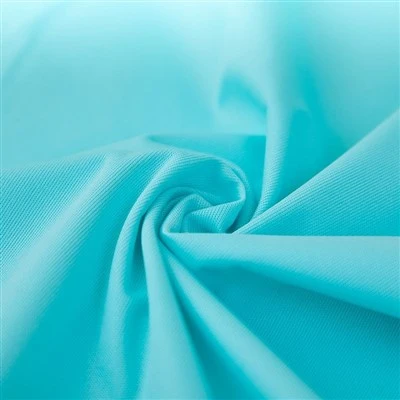
First, let’s start with what unites both fabrics, because that’s where the confusion starts. Both are synthetic fleece, made from 100% polyester (sometimes a small percentage of spandex for stretch, but most standard variants are pure polyester), designed as a more affordable, more moisture-wicking alternative to wool. They were both invented in the late 1970s as a sustainable(ish) alternative to heavy wool for outdoor use—polar fleece came first, actually, developed by Malden Mills (now Polartec) as a replacement for wool insulation in jackets. Microfleece followed a few years later, as a lighter, softer variant for layers that didn’t add weight. That shared origin story is why so many people assume they’re the same base material.
Now, the core difference comes down to the thickness of their fibers and the knit structure, both of which I can point to in our warehouse sample bins if you ever stop by. Polar fleece has a fiber diameter that sits between 12 and 20 micrometers. To put that in perspective, a single human hair is about 70 micrometers thick—so polar fleece fibers are 3 to 6 times thinner than hair, but still noticeably thicker than microfleece. Microfleece’s fibers? They clock in at less than 10 micrometers, often as low as 5. That tiny difference in fiber size changes everything. Thicker fibers in polar fleece create a denser, more durable pile. The fabric itself is usually between 180 and 300 grams per square meter (GSM)—GSM is the universal measure of fleece weight, so a higher GSM means a thicker, warmer fabric. That density is why polar fleece is the go-to for mid-layers in hiking jackets, winter blankets, and pet beds that need to hold up to rough use. I’ve had clients buy polar fleece for dog bed liners because it doesn’t pill as easily when a dog scratches or drags it across concrete.
Microfleece, on the other hand, is much lighter, with a standard GSM of 100 to 180, and a super-soft, almost silky hand feel. The extra-thin fibers are why it’s so gentle on skin—this is the fabric you’ll find in baby swaddles, lightweight loungewear shorts, and the inner lining of sleep sacks. But that softness comes with a trade-off: microfleece is less durable. Those tiny fibers break down faster with frequent washing, especially if you use a fabric softener (a tip I give all clients—skip the softener for any fleece, it coats the fibers and kills their ability to wick moisture). I’ve had a new mom come to me last year upset because her baby’s microfleece swaddle developed fuzzy little pills after three washes; that’s just the fiber structure, not a bad product.
Next, performance, which is where a lot of clients get tripped up. Both fabrics are moisture-wicking, but how they do it and for what use case is different. Polar fleece’s denser pile traps a layer of warm air close to your body, which is why it’s rated for 3-season use—you can wear it as a standalone layer in cool fall weather or as a mid-layer under a hardshell jacket in winter. It also resists wind better than microfleece, even a thin polar fleece (like 180 GSM) will block light breezes that would cut right through a microfleece top. That’s why my outdoor clients almost always pick polar fleece for jacket linings and hiking pants.
Microfleece, though, excels at breathability. Because its fibers are so fine, it doesn’t trap as much heat, so it’s perfect for activities where you might sweat a little—like running errands on a mild day or lounging at home. It dries much faster than polar fleece too; I tested this last month: a 150 GSM microfleece scarf was completely dry in 45 minutes after being soaked, while a 200 GSM polar fleece scarf took over two hours. That makes microfleece ideal for travel, when you don’t want to carry a heavy layer that takes forever to dry if it gets damp.
Pilling is another big difference, and it’s something we get a lot of questions about. Pilling is those little fuzzy balls that form on the surface of fleece after use or washing. Polar fleece, with its thicker, denser fibers, is much more resistant to pilling—especially if it’s a “brushed” polar fleece, which we make by running the fabric over a metal brush to raise the pile gently. That brushed finish is soft but the fibers are short and tightly packed, so they don’t work loose as easily. Microfleece, with its long, fine fibers, pills more readily because those tiny fibers can snag on clothing or wash cycles and form little balls. That’s not a flaw, it’s just how the material is designed—if you want a super soft, light layer that you won’t mind getting a little fuzzy over time, microfleece is great; if you want something that will hold up for years of regular use, polar fleece is the better bet.
Cost is a practical factor too, especially for small businesses or hobbyist sewers. Microfleece is generally cheaper per yard than polar fleece, because it uses less material and the manufacturing process is a bit simpler—thinner fibers require less energy to spin and weave. That’s why you’ll see microfleece in budget loungewear sets, while mid-range brands often use polar fleece for their outer layers. But it’s not always a straight line: a high-quality, brushed polar fleece (like our Polartec 200 equivalent) might cost a little more than a basic microfleece, but it will last 2 to 3 times longer with proper care. I always tell new clients to calculate total cost of use, not just upfront price—if you buy a $2 a yard microfleece that falls apart after 5 washes, vs. a $3 a yard polar fleece that lasts 20 washes, the polar fleece is a better deal in the long run.
Wait, let’s clear up a common myth, too. A lot of people think polar fleece is “warmer” than microfleece, and that’s mostly true, but not in the way you might think. Warmth comes from trapped air, and polar fleece’s denser pile traps more air than microfleece’s lighter pile. But if you’re comparing a 180 GSM polar fleece to a 180 GSM microfleece, the polar fleece will still be warmer, because of the fiber thickness, not just the weight. Microfleece’s warmth is more about comfort than insulation—you don’t want to wear a thick microfleece jacket in sub-zero weather, but a thick polar fleece jacket will keep you comfortable down to freezing, depending on the wind.
I also get asked a lot about care, since that ties into durability. Both fabrics are machine washable, but there are rules. For polar fleece, always wash in cold water, use a mild detergent, and skip fabric softeners and bleach—both break down the fibers and cause pilling. You can tumble dry on low heat, but over-drying will make the fabric stiff, so I recommend taking it out while it’s still slightly damp. For microfleece, same care rules apply, but because the fibers are finer, you should be extra gentle—wash on a delicate cycle if the fabric is for baby products, and avoid drying on high heat at all, which can melt the tiny fibers.
Now, why does this matter to you, whether you’re a small brand owner, a sewer making custom blankets, or a buyer restocking for a retail store? Choosing the wrong fabric for your product can lead to unhappy customers. Last year, a client came to me who’d been using microfleece for their dog beds, and they were getting dozens of reviews saying the beds pilled badly within a month. We switched them to a medium-weight polar fleece, and their pilling complaints dropped to zero. Another client, a loungewear brand, was using polar fleece for their summer pajama sets, and they had 1-star reviews saying the fabric was too heavy and made them sweat. We suggested a lightweight microfleece, and their average rating went up by half a star. That’s the real impact of understanding the difference— it’s not just technical jargon, it’s about making a product that works for your customers’ needs.
If you’re still not sure which is right for your project, that’s what I’m here for. I’ve worked with thousands of clients over the years, from indie sewers to national outdoor brands, and I can help you pick the right fabric based on your product’s use case, budget, and desired performance. Whether you need a sample of polar fleece to test for a jacket line, or microfleece swatches for baby blankets, we can send them out right away, no hassle. I’ve built this business on listening to what our clients need, not just pushing the most expensive fabric.
If you have questions, want to order samples, or discuss a bulk order, feel free to reach out. We’re here to help you find the right fleece fabric for your project, no matter the size.
Quilted Fabric References
- "Fleece Fabric Basics: A Guide to Types, Care, and Uses." Textile Institute, 2022.
- "Polar Fleece vs. Microfleece: Material Properties and Performance Characteristics." Journal of Textile Science and Fashion, vol. 14, no. 2, 2021, pp. 45-62.
- "Synthetic Fleece Sustainability and Durability: An Industry Analysis." Textile Research Journal, vol. 91, no. 15-16, 2020, pp. 1872-1885.
- Malden Mills, "The History of Polar Fleece and Fleece Fabric Innovation," 2019.
Jiangsu Etang Household Products Co., Ltd.
We are one of the most professional fleece fabric manufacturers and suppliers in China. With abundant experience, we warmly welcome you to buy bulk premium fleece fabric made in China here from our factory. All customized products are with high quality and competitive price. Contact us for pricelist.
Address: No. 18 Nanhai Road, Siyang Economic Development Zone, Siyang County, Suqian City, Jiangsu Province
E-mail: etang216@js-et.com
WebSite: https://www.etangbedding.com/
