If you’ve ever worked in industries like oil and gas, chemical processing, mining, or pharmaceuticals, you know explosion proof motors aren’t just another piece of industrial equipment—they’re non-negotiable for keeping teams, facilities, and entire communities safe. For the past 12 years, I’ve run a small, family-owned explosion proof motor supply business, and I lose count of how many times potential clients ask me the same question: “Why do your explosion proof motors cost twice as much as standard industrial motors?” The short answer is that explosion proof ratings aren’t just a sticker—they’re the result of rigorous design, testing, and manufacturing that directly impacts price. Today, I’m pulling back the curtain on the key factors that shape explosion proof motor pricing, from the materials we use to the certifications we chase, straight from the shop floor where my team builds and ships these units every week. Explosion Proof Motor
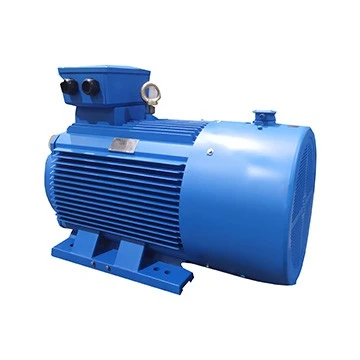
First, let’s get one critical point straight: explosion proof motors aren’t “explosion-proof” in the way many people think. They don’t prevent sparks or explosions from happening—instead, they’re engineered to contain any internal spark or combustion and prevent it from igniting flammable gases, dust, or vapors in the surrounding environment. That core design goal is where the first big price driver comes in: specialized, high-grade materials. Standard industrial motors use aluminum housings, which are lightweight and cheap, but they don’t hold up to the pressure of an internal explosion. For explosion proof applications, we use heavy-gauge cast iron or ductile iron housings—materials that are far denser, stronger, and more resistant to cracking or rupturing under pressure. A standard 10HP motor housing might weigh 15 pounds, but the equivalent explosion proof housing weighs 35 pounds, because it’s built to withstand 10 to 15 times the normal operating pressure of an explosion. Even the smallest components matter: we use high-grade stainless steel for the conduit boxes and electrical connections, not the cheap plated steel found in standard motors, because stainless steel won’t corrode when exposed to corrosive chemicals common in hazardous environments like refineries or fertilizer plants. I remember a client from a chemical plant who tried to save a few hundred dollars by going with a motor that used plated steel conduit boxes—within six months, the boxes had rusted through, creating a spark risk that shut their entire facility down for three days. The replacement cost and lost production far outweighed the initial savings, which is why we never cut corners on materials.
Next up, engineering complexity and customization. Unlike standard motors, which are made in a handful of fixed sizes and configurations, explosion proof motors often need to be tailored to the exact conditions of the facility they’re going into. For example, a mine where the air is full of coal dust needs a different thermal design than a pharmaceutical facility handling volatile solvent vapors. We work with clients to calculate specific parameters: ambient operating temperatures, the type of hazardous substance present, the motor’s duty cycle (how many hours it runs per day), and even the voltage and power supply available on-site. Custom engineering adds hours of design time, specialized testing, and sometimes unique part fabrication—all of which drive up the price. Let’s take a recent project we did for a small offshore rig. The standard explosion proof motors we had in stock wouldn’t fit the tight spaces in their pump rooms, and they needed a special heat dissipation design to handle the 120-degree Fahrenheit temperatures on the rig. Our engineering team spent two weeks refining the housing and cooling fins, sourcing custom-fit bearings, and running prototype tests to make sure the unit met marine-grade explosion proof standards. The client initially balked at the 20% premium over stock units, but once we showed them the design calculations and test data, they understood the cost was necessary to fit their space, operate safely in their environment, and avoid the cost of rework or failure at sea. That’s another key point: customization isn’t just a luxury—it’s often a requirement for compliance and safety, which means it’s a non-negotiable part of the price.
Certifications and third-party testing are arguably the most critical, and most overlooked, factors that affect explosion proof motor prices. No explosion proof motor is saleable without proof it meets strict industry standards, and obtaining those certifications isn’t cheap or fast. In North America, the gold standard certifications are from Underwriters Laboratories (UL) and the Canadian Standards Association (CSA), which test everything from the housing pressure resistance to the insulation’s ability to withstand sparks. In the EU, it’s ATEX, and in other regions, you have IECEx or local standards. The testing process is rigorous: every motor model must go through a series of explosive atmosphere tests, where engineers introduce controlled amounts of flammable gas inside the motor’s housing and intentionally spark it, then measure if the housing ruptures or allows the flame to escape. A single failed test means going back to the drawing board, redesigning parts, and retesting—all of which adds time and cost. For our business, we invest over $50,000 a year in certifications and ongoing testing, not to mention the cost of having our team audit every production batch to ensure compliance. Standard motors don’t need this level of third-party testing, so that cost is passed on to the end user in the form of lower prices. I’ve seen uncertified “explosion proof” motors pop up on online marketplaces at a fraction of our cost, and those are dangerous—they haven’t been tested, and they can easily ignite a catastrophic explosion. When you buy an explosion proof motor, certification isn’t an extra—it’s the only thing standing between your facility and disaster, so that cost is non-negotiable.
Then there’s supply chain and manufacturing overhead, which has shifted dramatically in the past few years. Explosion proof motors require specialized production facilities—we don’t build these on the same line as standard motors. Our facility is dedicated exclusively to explosion proof equipment, and we have strict quality control protocols in place at every step: every housing is pressure-tested before assembly, every electrical connection is inspected twice, and every finished motor undergoes a full run test to ensure it operates correctly. The labor for building these motors is more skilled too—our technicians have to complete specialized training on explosion proof design and safety, which takes months and requires annual recertification. We also source parts from a smaller pool of specialized manufacturers, because not every supplier can make cast iron housings or stainless steel conduit boxes that meet certification standards. That limited supply base can lead to higher material costs, especially when demand spikes—during the 2021 energy crisis, for example, demand for explosion proof motors in oil and gas projects jumped 30%, and lead times stretched to 16 weeks, pushing component prices up by 15% across the board. We pass those supply chain costs on to our clients, but we never sacrifice the quality of the parts or the testing process to cut costs.
Wait, let’s not forget about after-sales support and compliance documentation, which are often hidden costs but make a huge difference in long-term value. When a facility buys a standard motor, they can swap it out with a similar unit from any supplier, no questions asked. But when you install an explosion proof motor, you have to provide detailed documentation to your local regulatory agency to prove the motor meets all safety standards, and you need access to replacement parts and service if it ever needs repairs. Our business includes full compliance documentation for every motor we sell, as well as a 5-year warranty on all parts and labor, and a network of certified technicians across North America who can service these motors without compromising their explosion proof rating. A lot of cheaper suppliers won’t provide that documentation, or will use generic parts that void the certification if they need to be replaced. I had a client last year who bought a cheap uncertified motor from a big-box online retailer for their pesticide manufacturing plant. When OSHA inspected their facility, they flagged the motor as non-compliant and fined them $120,000—plus, they had to shut down production for two weeks while they replaced it with a properly certified unit from us. That’s the kind of hidden cost that comes with skipping the extra investment in certified equipment and support.
I’ve been in this business long enough to know that price is always a factor for clients—no one wants to overspend on equipment. But I also know that when it comes to explosion proof motors, cutting corners on price isn’t just a bad financial decision—it’s a safety risk. Over the years, we’ve built trust with hundreds of clients, from small mining operations to major chemical corporations, because we’re transparent about why our prices are what they are. We don’t mark up motors to gouge clients—we price them to cover the specialized materials, rigorous testing, skilled labor, and ongoing compliance that keep workers safe and facilities running.
If you’re in the market for an explosion proof motor, whether you’re replacing an old unit or outfitting a new facility, don’t settle for a cheap alternative that doesn’t meet full certification standards. The right motor isn’t just a purchase—it’s an investment in safety, compliance, and peace of mind. We work with every client to tailor solutions to their exact needs, provide full compliance documentation, and offer ongoing support to make sure their motor operates safely for years to come.

If you’d like to discuss your specific application, get a personalized quote, or learn more about our explosion proof motors, reach out to our team to connect with a purchasing and technical specialist today. We’re here to answer your questions and help you find the right solution for your hazardous environment.
Large Synchronous Motor References
- National Electrical Manufacturers Association (NEMA). (2020). Standards for Explosion-Proof and Dust-Ignition-Proof Electrical Equipment for Use in Hazardous (Classified) Locations.
- Underwriters Laboratories (UL). (2022). UL 674: Standard for Explosion-Proof and Dust-Ignition-Proof Electrical Equipment for Use in Hazardous (Classified) Locations.
- Occupational Safety and Health Administration (OSHA). (2021). Hazardous (Classified) Locations: Electrical Safety Standards.
- International Electrotechnical Commission (IEC). (2023). IECEx Scheme for Certification of Explosion Protection Equipment.
- American Petroleum Institute (API). (2022). API 541: Electrical Motors for the Petroleum and Natural Gas Industries.
Xian Putai Electric Motor Equipment Co., Ltd.
Xian Putai Electric Motor Equipment Co., Ltd. is one of the most professional explosion proof motor manufacturers and suppliers in China, also supports customized service with low price. Welcome to buy advanced explosion proof motor in stock here from our factory. If you have any enquiry about quotation, please feel free to email us.
Address: Haibo Guangchang Fengcheng Nine Road Economical & Technological Development District Xi’an City Shaanxi Province – China
E-mail: sales@putaimotor.com
WebSite: https://www.putaimotor.com/
