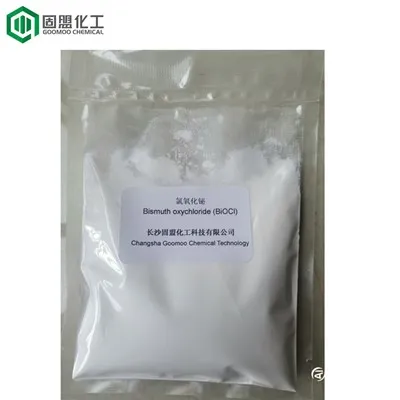
Low-Substituted Hydroxypropyl Cellulose (L-HPC) is a popular excipient in the pharmaceutical and other industries, well – known for its performance in solid oral dosage forms such as tablets and capsules. However, a recurrent question among formulators and product developers is whether L – HPC can be effectively used in topical formulations. As a supplier of L – HPC, I am eager to delve into this topic and share some insights. Low-Substituted Hydroxypropyl Cellulose(L-HPC)
Characteristics of L – HPC
L – HPC is a cellulose ether derived from natural cellulose. Its unique low degree of substitution gives it excellent water – swelling properties. When in contact with water, it can absorb many times its own weight of water and swell, which is beneficial for functions like disintegration in oral solid dosage forms.
It has good compressibility and binding properties as well. In tablet manufacturing, it can help bind the active ingredients and other excipients together to form a stable tablet structure. Moreover, L – HPC is biocompatible, which means it is generally well – tolerated by the human body, making it suitable for a wide range of applications in the pharmaceutical field.
Considerations for Topical Formulations
Topical formulations, such as creams, ointments, gels, and lotions, have their own set of requirements. They need to provide a suitable vehicle for the active ingredients, have good spreadability, and ensure proper adhesion to the skin. Additionally, they should be non – irritating and non – allergenic to the skin, as the skin is a sensitive organ.
Advantages of Using L – HPC in Topical Formulations
-
Viscosity Enhancer
L – HPC can act as a thickening agent in topical formulations. It can increase the viscosity of creams, gels, and lotions, giving them a better texture. A proper viscosity is essential for these products; it prevents the phase separation of oil and water in creams and lotions, and allows gels to maintain their shape. For example, in a water – based gel formulation for delivering a topical drug, adding L – HPC can transform a thin, runny liquid into a more viscous gel that adheres well to the skin and provides a sustained release environment for the active ingredient. -
Humectant Properties
Given its water – absorbing capabilities, L – HPC can act as a humectant in topical formulations. It helps to keep the skin hydrated by attracting and retaining moisture. This is particularly beneficial for skin – care products, as moisturized skin is healthier and more receptive to the penetration of active ingredients. In a moisturizing lotion, L – HPC can help lock in water, preventing dryness and flakiness of the skin. -
Drug Release Modifier
In topical drug – delivery systems, L – HPC can modify the release rate of the active ingredients. By forming a gel – like matrix around the drug particles, it can control the diffusion of the drug from the formulation into the skin. This can be used to achieve sustained or targeted drug delivery, which is crucial for improving the efficacy of topical medications.
Potential Challenges
-
Skin Irritation
Although L – HPC is generally regarded as biocompatible, there is a possibility that in some individuals with sensitive skin, it may cause irritation. This is mainly due to its swelling and adhesive properties. When it swells on the skin surface, it may create a tight – fitting matrix that could potentially cause physical discomfort or allergic reactions. However, the risk can be minimized through proper formulation development, such as adjusting the concentration of L – HPC and using appropriate co – excipients. -
Compatibility with Other Ingredients
Topical formulations often contain a variety of ingredients, including oils, emulsifiers, preservatives, and active pharmaceutical ingredients (APIs). L – HPC may interact with some of these components. For example, it may react with certain ionic substances in the formulation, leading to changes in its swelling behavior or the overall stability of the product. Thus, thorough compatibility studies are required before using L – HPC in a new topical formulation.
Examples of L – HPC in Topical Applications
-
Skin – Care Gels
In the cosmetic industry, L – HPC is used in the formulation of skin – care gels. These gels are often designed for anti – aging, moisturizing, or acne – treating purposes. The use of L – HPC gives the gels a smooth texture, good spreadability, and excellent adhesion to the skin. For example, a gel containing L – HPC and hyaluronic acid can provide long – lasting hydration to the skin, as the L – HPC helps to keep the hyaluronic acid in contact with the skin surface. -
Topical Drug Patches
L – HPC can also be used in the matrix of topical drug patches. It helps to hold the drug in the patch and control its release. The swelling property of L – HPC can be utilized to create a semi – permeable membrane that allows the drug to be released at a controlled rate. This is especially important for drugs that require a continuous and steady release over a long period, such as nicotine patches.
Research and Development
The use of L – HPC in topical formulations is still an area of active research. Scientists are constantly exploring new ways to optimize its performance in these applications. For example, some studies are focused on modifying the chemical structure of L – HPC to improve its compatibility with other ingredients in topical formulations and reduce the risk of skin irritation.
Another area of research is the development of novel drug – delivery systems based on L – HPC. By combining it with other polymers or using it in nanocomposite formulations, researchers aim to enhance the efficacy and safety of topical drug delivery.
Contact for Further Discussion and Purchase
As a reliable supplier of Low – Substituted Hydroxypropyl Cellulose (L – HPC), we are committed to providing high – quality products to meet your specific needs. Whether you are in the early stages of formulating a new topical product or looking to optimize an existing one, our L – HPC can be a valuable ingredient.
We understand the importance of product quality and consistency in the pharmaceutical and cosmetic industries. Our L – HPC is produced under strict quality control measures to ensure its purity, particle size distribution, and performance.
Bismuth Subnitrate If you are interested in learning more about the potential of using L – HPC in your topical formulations or if you would like to discuss a possible purchase, please feel free to contact our sales team. We are ready to offer professional advice and technical support to help you make the best use of our product.
References
- "Cellulose Derivatives in Pharmaceutical Applications" – A comprehensive book on various cellulose derivatives and their uses in different pharmaceutical dosage forms, including some insights into their potential in topical formulations.
- Journal of Pharmaceutical Sciences: Articles published in this journal often cover research on new excipients and their applications in topical drug delivery systems, which may include studies on L – HPC.
- Cosmetics & Toiletries Magazine: This magazine has features on the latest ingredients and technologies in the cosmetic industry, sometimes discussing the use of L – HPC in skin – care products.
Changsha Goomoo Chemical Technology Co., Ltd.
With abundant experience, we are one of the most reliable low-substituted hydroxypropyl cellulose(l-hpc) manufacturers and suppliers in China. We warmly welcome you to buy customized low-substituted hydroxypropyl cellulose(l-hpc) made in China here from our factory. If you have any enquiry about free sample, please feel free to email us.
Address: No.61,Jinma Road,Kaifu District Changsha 41005,Hunan,P.R.China
E-mail: allen@goomoochina.com
WebSite: https://www.gumchem.com/
