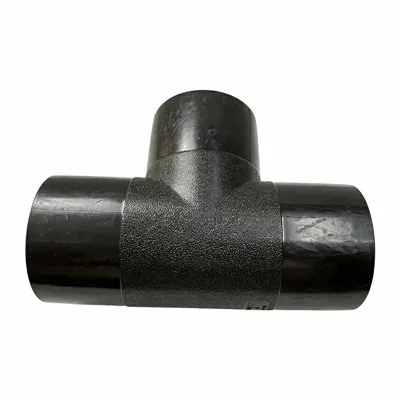
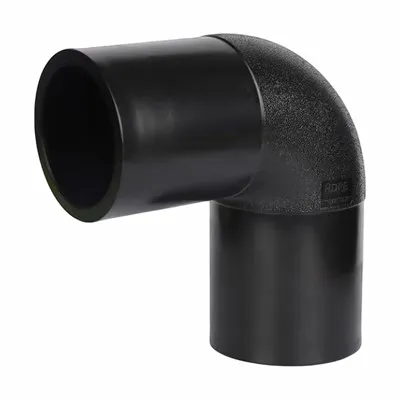
As a supplier of Butt Fusion Drainage Fittings, I’ve seen firsthand the importance of chemical resistance in these products. Our butt fusion drainage fittings are designed to meet the rigorous demands of various drainage systems, and chemical resistance is a critical factor that ensures their long – term performance and reliability. Butt Fusion Drainage Fittings
Understanding Chemical Resistance
Chemical resistance refers to the ability of a material to withstand the effects of chemical substances without significant degradation. In the context of butt fusion drainage fittings, this means that the fittings can maintain their structural integrity, mechanical properties, and functionality when in contact with different chemicals present in drainage systems.
The chemicals that drainage fittings may encounter can vary widely. For instance, in industrial settings, the wastewater may contain acids, alkalis, solvents, and various industrial chemicals. In municipal drainage systems, there could be a mixture of detergents, food waste by – products, and potentially harmful substances from households. Even in agricultural drainage, fertilizers, pesticides, and other agro – chemicals can pose a challenge to the fittings.
Factors Affecting Chemical Resistance of Butt Fusion Drainage Fittings
Material Composition
The choice of material for butt fusion drainage fittings is the primary determinant of their chemical resistance. Most of our butt fusion drainage fittings are made from high – density polyethylene (HDPE). HDPE is known for its excellent chemical resistance due to its non – polar molecular structure. This structure makes it less likely to react with many common chemicals, including inorganic acids, alkalis, and salts.
However, the chemical resistance of HDPE can be influenced by factors such as the degree of crystallinity. Higher crystallinity generally leads to better chemical resistance because the crystalline regions are more resistant to chemical penetration. Our manufacturing process is carefully controlled to achieve an optimal degree of crystallinity in the HDPE used for our fittings, enhancing their ability to withstand chemical attacks.
Temperature
Temperature plays a crucial role in the chemical resistance of butt fusion drainage fittings. As the temperature increases, the rate of chemical reactions generally accelerates, and the solubility of chemicals in the material may also increase. This can lead to more rapid degradation of the fittings.
For example, at higher temperatures, some chemicals that would normally have a minor impact on HDPE at room temperature can cause significant damage. Our technical team has conducted extensive research on the temperature – chemical interaction. We provide guidelines to our customers on the maximum operating temperatures for our fittings when they are in contact with specific chemicals. This helps ensure that the fittings are used within their safe operating limits, maintaining their chemical resistance.
Chemical Concentration
The concentration of the chemicals in the drainage system also affects the chemical resistance of the fittings. Higher concentrations of aggressive chemicals can cause more severe damage to the fittings. For instance, a low – concentration acid solution may have only a minimal effect on HDPE, but a highly concentrated acid can cause swelling, cracking, or even dissolution of the material over time.
We have carried out laboratory tests to evaluate the performance of our butt fusion drainage fittings against different chemical concentrations. Based on these results, we can offer recommendations to our customers on the suitability of our products for specific chemical environments. This allows them to make informed decisions when designing their drainage systems.
Testing and Certification
To ensure that our butt fusion drainage fittings meet the required standards of chemical resistance, we conduct a series of rigorous tests. These tests include immersion tests, where samples of the fittings are immersed in various chemical solutions for extended periods. We then measure changes in properties such as weight, dimensions, and mechanical strength.
In addition to our in – house testing, our products are also subject to third – party certification. Independent testing laboratories evaluate our fittings according to international standards such as ISO 1043 – 1 and ASTM D1248. These certifications provide an additional layer of assurance to our customers that our products can effectively resist the chemicals they are likely to encounter in real – world applications.
Applications and Benefits of Chemically Resistant Butt Fusion Drainage Fittings
Industrial Applications
In industrial environments, the chemical resistance of our butt fusion drainage fittings is of utmost importance. Industries such as chemical manufacturing, food processing, and textile production generate wastewater with a high concentration of chemicals. Our chemically resistant fittings can handle these harsh conditions, reducing the risk of leaks and failures in the drainage system.
For example, in a chemical manufacturing plant, the wastewater may contain strong acids and alkalis. Using our HDPE butt fusion drainage fittings can prevent corrosion and chemical attack, ensuring the safe and efficient disposal of the wastewater. This not only protects the environment but also helps the plant avoid costly downtime due to drainage system failures.
Municipal and Residential Applications
In municipal and residential drainage systems, our fittings also offer significant advantages. The chemicals in household sewage, such as detergents, cleaning agents, and some human waste by – products, can gradually degrade less – resistant materials. Our chemically resistant butt fusion drainage fittings can withstand these chemicals, providing a long – lasting and reliable solution for wastewater disposal.
Moreover, the use of our fittings in these applications helps reduce the frequency of maintenance and replacement, saving time and money for both municipalities and homeowners. The ease of installation through butt fusion also contributes to overall cost – effectiveness.
Maintaining Chemical Resistance in Operation
To maximize the chemical resistance of our butt fusion drainage fittings during operation, proper installation and maintenance are essential. During installation, it is crucial to follow the recommended butt fusion procedures to ensure strong and leak – free joints. Any improper installation can create weak points in the system, which may be more susceptible to chemical attack.
Regular inspection of the drainage system is also necessary. Checking for signs of chemical damage, such as discoloration, swelling, or cracking, can help detect potential problems early. If any damage is detected, prompt repairs or replacements should be carried out to prevent further deterioration of the system.
In addition, proper waste management is important. Encouraging the proper disposal of chemicals and hazardous waste can help reduce the concentration of aggressive chemicals in the drainage system, thereby prolonging the service life of our fittings.
Conclusion
The chemical resistance of butt fusion drainage fittings is a crucial property that determines their performance and durability in various drainage applications. As a supplier, we are committed to providing high – quality fittings that can effectively resist a wide range of chemicals. Our products, made from carefully selected HDPE materials, undergo strict testing and certification to ensure their reliability.
Whether it’s for industrial, municipal, or residential use, our chemically resistant butt fusion drainage fittings offer numerous benefits, including long – term performance, reduced maintenance costs, and environmental protection.
Butt Fusion Drainage Fittings If you are in need of high – quality butt fusion drainage fittings with excellent chemical resistance, we invite you to contact us for procurement and further discussions. We have a team of experts ready to assist you in choosing the right products for your specific needs.
References
- ISO 1043 – 1: Plastics – Symbols and abbreviated terms – Part 1: Basic polymers and their special characteristics.
- ASTM D1248: Standard Specification for Polyethylene Plastics Molding and Extrusion Materials.
- "Handbook of Polymer Science and Technology" by Marcel Dekker, which provides in – depth knowledge on the properties of polymers like HDPE.
Qingdao Polyfusion Machinery Co., Ltd.
As one of the most professional butt fusion drainage fittings manufacturers and suppliers in China, we have world-leading production equipment and strong manufacturing capabilities. Please feel free to buy bulk high quality butt fusion drainage fittings from our factory.
Address: Chengyang Industry Zone, Chengyang, Qingdao, Shandong, China
E-mail: export01@qdpolyfusion.com
WebSite: https://www.polyfusionfittings.com/
