As an LED controller supplier, I’ve seen firsthand how crucial it is for these devices to perform at their best. Whether it’s for a small home lighting setup or a large – scale commercial project, optimizing the performance of an LED controller can make a world of difference. In this blog, I’ll share some tips and tricks that I’ve gathered over the years to help you get the most out of your LED controllers. LED Controller
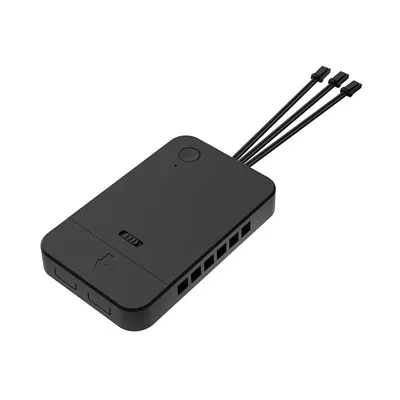
Understanding Your LED Controller
First things first, you gotta know what you’re working with. LED controllers come in all shapes and sizes, and each type has its own set of features and limitations. There are basic on – off controllers, which are super simple and just turn your LEDs on or off. Then there are dimming controllers, which let you adjust the brightness of your LEDs. And for the more advanced users, there are color – changing controllers that can create a whole spectrum of colors.
If you’re using a basic on – off controller, optimizing its performance might be as easy as making sure it’s properly connected to your power source and LEDs. A loose connection can cause intermittent power supply, which can lead to flickering or even complete failure of the LEDs.
For dimming controllers, calibration is key. You want to make sure that the dimming range is smooth and that the controller can reach both the lowest and highest brightness levels without any sudden jumps. Some dimming controllers may have a calibration button or a menu where you can fine – tune these settings.
Color – changing controllers are a bit more complex. They usually have a built – in microcontroller that controls the color mixing. Make sure you’re using the right color model (like RGB or RGBW) for your LEDs. Also, check the software settings to ensure that the color transitions are smooth and accurate.
Power Supply Considerations
One of the most common issues with LED controllers is a poor power supply. LEDs are pretty sensitive to voltage fluctuations, so it’s important to use a stable and reliable power source. If you’re using a switching power supply, make sure it has a low ripple voltage. A high ripple voltage can cause the LEDs to flicker, which is not only annoying but can also reduce their lifespan.
You also need to match the power output of the supply with the requirements of your LED controller and LEDs. If the power supply is under – rated, it won’t be able to provide enough power, which can lead to dim or flickering LEDs. On the other hand, an over – rated power supply can cause overheating and damage to the controller and LEDs.
I always recommend using a power supply that is at least 20% more powerful than the total power consumption of your LEDs. This gives you some headroom in case of any unexpected power surges or changes in the load.
Wiring and Installation
Proper wiring and installation are essential for optimizing the performance of your LED controller. When wiring your LEDs, make sure you use the right gauge of wire. A wire that is too thin can cause a voltage drop, which can result in uneven brightness across your LEDs.
Also, pay attention to the polarity of the wires. Connecting the positive and negative wires incorrectly can damage both the LEDs and the controller. Most LED controllers and LEDs have markings to indicate the polarity, so make sure you follow them carefully.
When installing the controller, keep it in a cool and dry place. Heat can affect the performance of the controller’s components, so avoid placing it near heat sources like radiators or direct sunlight. Also, make sure there’s enough ventilation around the controller to prevent overheating.
Software and Firmware Updates
If your LED controller has software or firmware, keeping it up – to – date is crucial. Manufacturers often release updates to fix bugs, improve performance, and add new features.
Check the manufacturer’s website regularly for any available updates. Installing these updates is usually a straightforward process, but make sure you follow the instructions carefully. Sometimes, a simple software update can solve flickering issues, improve color accuracy, or even add new lighting effects.
Compatibility with LEDs
Not all LED controllers are compatible with all types of LEDs. Before you buy a controller, make sure it’s designed to work with your specific LEDs. Consider factors like the voltage, current, and color technology of your LEDs.
For example, if you have high – power LEDs, you’ll need a controller that can handle the higher current requirements. If you’re using RGBW LEDs, make sure the controller supports the RGBW color model. Using an incompatible controller can lead to poor performance, reduced lifespan of the LEDs, and even safety hazards.
Testing and Troubleshooting
Once you’ve installed and set up your LED controller, it’s important to test it thoroughly. Turn on the LEDs and check for any signs of flickering, uneven brightness, or color issues. If you notice any problems, don’t panic. Start by checking the basics, like the connections, power supply, and software settings.
If you’re still having issues, you can use a multimeter to check the voltage and current at different points in the circuit. This can help you identify if there are any electrical problems, like a short circuit or a faulty connection.
In some cases, you may need to contact the manufacturer’s support team for further assistance. They can provide you with more in – depth troubleshooting advice and may even be able to offer a replacement if the controller is defective.
Environmental Factors
The environment in which your LED controller operates can also affect its performance. High humidity can cause corrosion of the controller’s components, which can lead to malfunctions. If you’re installing the controller in a humid area, consider using a waterproof enclosure.
Extreme temperatures can also be an issue. In cold temperatures, the performance of the controller’s microcontroller and other components may be affected. In hot temperatures, as mentioned earlier, overheating can occur. Make sure to take into account the environmental conditions when selecting and installing your LED controller.
Training and Support
If you’re new to using LED controllers, getting some training can be really helpful. Some manufacturers offer online tutorials or even on – site training sessions. This can help you understand how to operate the controller properly, how to perform basic maintenance, and how to troubleshoot common issues.
Also, having access to good customer support is a must. If you run into any problems, being able to get in touch with a knowledgeable support team can save you a lot of time and frustration.
Well, there you have it – my top tips on how to optimize the performance of an LED controller. Implementing these tips can help you ensure that your LEDs shine bright and perform consistently.
If you’re interested in purchasing high – quality LED controllers or have any questions about optimizing their performance, don’t hesitate to reach out to us. We’re here to help you find the perfect solution for your lighting needs.
LED Controller References:
- LED lighting industry technical manuals
- Knowledge from years of experience in the LED controller supply business
Dongguan Lanbaoli Intelligent Technology Co., Ltd.
As one of the most professional led controller manufacturers and suppliers in China, we’re featured by quality products and low price. Welcome to buy advanced led controller for sale here from our factory. If you have any enquiry about quotation, please feel free to email us.
Address: 10th Floor, Building 32, Golden Town, No. 7 Technology Avenue, Houjie Town, Dongguan City, Guangdong Province
E-mail: anna@lampow.cn
WebSite: https://www.lblsensor.com/
