In the world of mechanical engineering and industrial applications, bushings play a crucial role. As a bushing supplier, I’ve witnessed firsthand the significance of these small yet powerful components. In this blog, I’ll delve into how bushings work, their different types, and why they are essential in various industries. Bushing
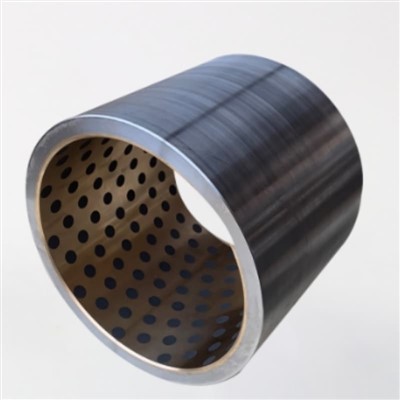
What is a Bushing?
A bushing, also known as a plain bearing or sleeve bearing, is a cylindrical-shaped component typically made of materials such as bronze, brass, steel, plastic, or composite materials. Its primary function is to provide a low-friction interface between two moving parts, usually a rotating or sliding shaft and a housing. Bushings are used to reduce wear, noise, and vibration, and to support the load and guide the movement of the shaft.
How Does a Bushing Work?
The basic principle behind the operation of a bushing is simple. When a shaft rotates or slides within a bushing, the bushing acts as a buffer between the shaft and the housing. It provides a smooth surface for the shaft to move on, reducing friction and wear. The bushing also helps to distribute the load evenly across the contact surface, preventing excessive stress on the shaft and the housing.
Let’s take a closer look at the different aspects of how a bushing works:
Friction Reduction
Friction is the force that resists the relative motion between two surfaces in contact. In a mechanical system, friction can cause wear, heat generation, and energy loss. Bushings are designed to reduce friction by providing a lubricated or self-lubricating surface. Lubrication can be achieved through the use of oil, grease, or other lubricants, which form a thin film between the shaft and the bushing. This film separates the two surfaces, reducing direct contact and friction.
Self-lubricating bushings, on the other hand, are made of materials that contain lubricants within their structure. These materials, such as PTFE (polytetrafluoroethylene) or graphite, release lubricants as the bushing wears, providing continuous lubrication without the need for external lubrication. Self-lubricating bushings are ideal for applications where maintenance is difficult or where lubrication is not possible.
Wear Resistance
Wear is the gradual removal of material from a surface due to friction and other factors. In a mechanical system, wear can cause damage to the components, leading to reduced performance and increased maintenance costs. Bushings are designed to be wear-resistant, with materials and surface treatments that can withstand the forces and stresses of the application.
The wear resistance of a bushing depends on several factors, including the material of the bushing, the surface finish, the load, the speed, and the lubrication. For example, bronze bushings are known for their excellent wear resistance, especially in high-load and high-speed applications. They have a low coefficient of friction and can withstand the abrasive forces of the shaft.
Load Distribution
When a shaft rotates or slides within a bushing, it exerts a load on the bushing. The bushing is designed to distribute this load evenly across its contact surface, preventing excessive stress on the shaft and the housing. This helps to extend the life of the components and reduce the risk of failure.
The load distribution capabilities of a bushing depend on its design and the material properties. For example, a bushing with a larger contact area will be able to distribute the load more evenly than a bushing with a smaller contact area. Additionally, the material of the bushing should have sufficient strength and stiffness to withstand the load without deforming or failing.
Vibration and Noise Reduction
Vibration and noise are common problems in mechanical systems, especially in high-speed or high-load applications. Bushings can help to reduce vibration and noise by providing a damping effect. The material of the bushing can absorb and dissipate the energy of the vibration, reducing its amplitude and frequency.
In addition to damping, bushings can also help to align the shaft and the housing, reducing the misalignment that can cause vibration and noise. This is especially important in applications where precision is required, such as in automotive engines and industrial machinery.
Types of Bushings
There are several types of bushings available, each with its own unique characteristics and applications. Here are some of the most common types of bushings:
Bronze Bushings
Bronze bushings are one of the most popular types of bushings due to their excellent wear resistance, high load capacity, and good corrosion resistance. They are typically made of bronze alloys, such as tin bronze, lead bronze, or aluminum bronze. Bronze bushings are used in a wide range of applications, including automotive engines, industrial machinery, and aerospace components.
Brass Bushings
Brass bushings are similar to bronze bushings but are made of brass alloys. They have good corrosion resistance and are often used in applications where the environment is corrosive. Brass bushings are also used in electrical applications due to their good electrical conductivity.
Steel Bushings
Steel bushings are made of steel alloys and are known for their high strength and durability. They are often used in high-load applications, such as in heavy machinery and construction equipment. Steel bushings can be heat-treated to improve their hardness and wear resistance.
Plastic Bushings
Plastic bushings are made of various plastic materials, such as nylon, PTFE, or acetal. They are lightweight, corrosion-resistant, and have a low coefficient of friction. Plastic bushings are often used in applications where weight is a concern, such as in automotive and aerospace components. They are also used in applications where lubrication is not possible or where noise reduction is required.
Composite Bushings
Composite bushings are made of a combination of materials, such as metal and plastic. They offer the advantages of both materials, such as high strength, wear resistance, and low friction. Composite bushings are often used in applications where a combination of properties is required, such as in automotive engines and industrial machinery.
Applications of Bushings
Bushings are used in a wide range of applications across various industries. Here are some of the common applications of bushings:
Automotive Industry
In the automotive industry, bushings are used in engines, transmissions, suspension systems, and steering systems. They help to reduce friction, wear, and noise, and to improve the performance and reliability of the vehicle. For example, engine bushings are used to support the engine and to reduce the vibration and noise transmitted to the vehicle body. Suspension bushings are used to provide a smooth and comfortable ride by absorbing the shocks and vibrations from the road.
Industrial Machinery
In the industrial machinery industry, bushings are used in a variety of equipment, such as pumps, compressors, conveyors, and machine tools. They help to reduce friction, wear, and noise, and to improve the efficiency and durability of the equipment. For example, pump bushings are used to support the pump shaft and to reduce the friction between the shaft and the housing. Machine tool bushings are used to guide the movement of the cutting tool and to improve the accuracy and precision of the machining process.
Aerospace Industry
In the aerospace industry, bushings are used in aircraft engines, landing gear, and control systems. They help to reduce friction, wear, and noise, and to improve the performance and safety of the aircraft. For example, engine bushings are used to support the engine and to reduce the vibration and noise transmitted to the aircraft structure. Landing gear bushings are used to provide a smooth and reliable landing by absorbing the shocks and vibrations from the runway.
Marine Industry
In the marine industry, bushings are used in ship engines, propellers, and steering systems. They help to reduce friction, wear, and corrosion, and to improve the performance and reliability of the ship. For example, engine bushings are used to support the engine and to reduce the vibration and noise transmitted to the ship hull. Propeller bushings are used to support the propeller shaft and to reduce the friction between the shaft and the hull.
Why Choose Our Bushings?
As a bushing supplier, we offer a wide range of bushings to meet the needs of various industries. Here are some of the reasons why you should choose our bushings:
High-Quality Materials
We use only the highest-quality materials in the manufacturing of our bushings. Our materials are carefully selected for their excellent wear resistance, high load capacity, and good corrosion resistance. We also offer a variety of surface treatments to enhance the performance and durability of our bushings.
Customized Solutions
We understand that every application is unique, and we offer customized solutions to meet your specific requirements. Our experienced engineers can work with you to design and manufacture bushings that are tailored to your application. We can also provide technical support and advice to help you choose the right bushing for your application.
Competitive Pricing
We offer competitive pricing on our bushings without compromising on quality. We strive to provide our customers with the best value for their money. Our pricing is based on the volume of your order, the complexity of the design, and the materials used.
Fast Delivery
We understand the importance of timely delivery, and we offer fast delivery on our bushings. We have a large inventory of standard bushings, which allows us to ship your order quickly. We also offer expedited shipping options for urgent orders.
Excellent Customer Service

We are committed to providing our customers with excellent customer service. Our friendly and knowledgeable customer service team is available to answer your questions and to assist you with your order. We also offer a satisfaction guarantee on all of our products.
Contact Us for Bushing Procurement
Bushing If you are in the market for high-quality bushings, we would love to hear from you. Whether you need standard bushings or customized solutions, we can provide you with the products and services you need. Contact us today to discuss your requirements and to get a quote. We look forward to working with you!
References
- Budynas, R. G., & Nisbett, J. K. (2011). Shigley’s Mechanical Engineering Design. McGraw-Hill.
- Hamrock, B. J., Schmid, S. R., & Jacobson, B. O. (2004). Fundamentals of Machine Elements. McGraw-Hill.
- Mabie, H. H., & Reinholtz, C. F. (1987). Mechanisms and Dynamics of Machinery. Wiley.
Qingzhou Shengchen Machinery Technology Co., Ltd.
As one of the leading bushing manufacturers and suppliers in China, we warmly welcome you to buy discount bushing for sale here and get free sample from our factory. If you have any enquiry about customized service, please feel free to email us.
Address: Industrial Park, Mihe Town, Qingzhou City, Weifang, Shandong Province
E-mail: gjywb@qzsckj.cn
WebSite: https://www.sc-casting.com/
