If you’ve ever stood at the back of a long-haul refrigerated truck stuck in line at a fuel stop on Interstate 80 at 2 a.m., you know the hidden costs of a broken LNG refueling process. I’ve been in the LNG fueling station supply business for 12 years, standing right there on the other side of the counter, listening to frustrated fleets complain about missed delivery windows, extra labor hours, and unnecessary delays. It wasn’t until a client came to us last year, saying their station was turning away 15% of potential business because of long wait times, that we realized: optimizing an LNG refueling process isn’t just about making things faster—it’s about protecting a fleet’s bottom line, and that starts with the station’s design, maintenance, and everyday operations. LNG Fueling Station
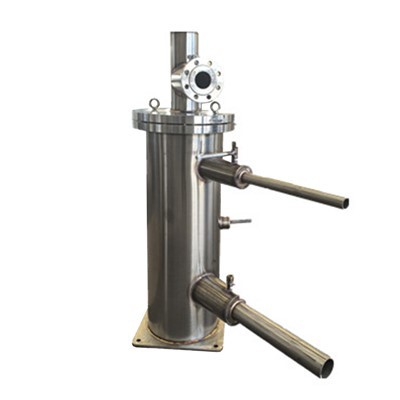
First, let’s talk about the foundation of it all: infrastructure layout and equipment specs. Too many LNG stations are built as afterthoughts, crammed into a corner of a truck stop, with fueling lanes that are too narrow, or dispensers that are placed too close together. We once supplied a small fleet station in Ohio that had this exact problem: two dispensers, both squeezed between a diesel pump and a trash dumpster, so a 53-foot trailer pulling up to the LNG lane couldn’t open its rear doors or align properly without taking two extra minutes. That’s two minutes per refuel, times three refuels a day per dispenser, times 300 working days a year—adds up to 1,800 wasted hours, which a fleet pays $75 an hour for a driver and their time. When we worked with them to reconfigure the lot, widening each LNG lane by 10 feet and moving dispensers 15 feet away from adjacent equipment, wait times dropped by 22% within a month, and their fleet utilization jumped by 10%.
It’s not just about space, though. The type of LNG dispensers and storage tanks you choose makes a huge difference. A lot of stations opt for low-cost, slow-fill dispensers to save upfront, but fast-fill dispensers can cut refuel time from 12 minutes to 5 minutes per truck. That’s a game-changer for fleets that run 24/7. We recently retrofitted a station in Texas that had three slow-fill units with two fast-fill dispensers, designed to work with both heavy-duty trucks and smaller delivery vans. Within two months, the station’s daily throughput went up by 40% because they could serve more customers in the same window. We also always push our clients to invest in insulated, properly sized storage tanks. If your tank isn’t insulated well, LNG boils off faster, which means you have to top it off more often, and that takes the station out of service for hours. We use vacuum-insulated tanks that reduce boil-off rates to less than 0.3% per day, which is standard for the industry, but many smaller stations skip that to cut costs, and end up losing thousands of dollars a year in wasted fuel just from evaporation.
Next, operational protocols. Even the best equipment won’t perform if your team isn’t trained on how to use it efficiently. I’ve watched attendants at LNG stations rush through pre-fuel checks, skipping steps that actually prevent delays. For example, when you connect an LNG hose to a truck’s fuel tank, you have to purge the hose of residual gas first—this is non-negotiable for safety, but if you do it wrong, you can get a leak, which means you have to disconnect, reset, and start over, adding 5 minutes to a refuel. We run free training sessions for all our clients’ attendants that teach them how to purge hoses quickly, and how to spot small issues (like a worn O-ring) before they become major problems. One of our clients in Illinois told us after our training that their attendants now complete refuels 15% faster, and they’ve had zero leak-related shutdowns in eight months, compared to three a quarter before.
Another big part of operations is scheduling fuel deliveries and forecasting demand. LNG stations often run out of fuel unexpectedly because they don’t track usage patterns. A station on a major freight route, for example, will see a spike in demand every Friday as fleets get ready for the weekend, and another spike on Monday morning when they’re heading out on deliveries. If a station waits until their tank is 10% full to call for a delivery, and the delivery truck gets stuck in traffic, they’re left with no fuel for two peak hours, losing hundreds of dollars in revenue. We provide our clients with a simple demand forecasting tool we developed in-house, which uses three years of local traffic data and fuel usage averages to tell them when to schedule deliveries. For example, a client in Colorado used the tool to shift their Friday deliveries to Wednesday, avoiding a popular truck route closure that would have delayed their delivery by 12 hours. Since then, they’ve only run out of fuel once in the last year, compared to 10 times the year before they started using the tool.
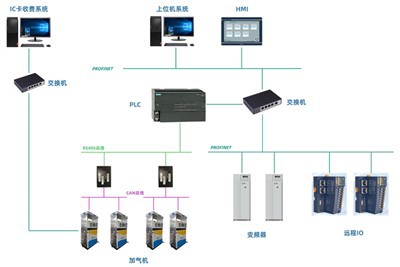
Technology is the third pillar of optimization, and it’s changing the game for LNG stations. A lot of stations still use paper logs and cash payments, which lead to long lines and errors. Modern LNG stations use cloud-based management systems that track real-time fuel levels, dispense data, and customer transactions. One feature we especially recommend is pre-authorization for fleets. Instead of a driver waiting to pay at the register, the system sends a digital request to the fleet’s account before the driver pulls up, and the dispenser activates as soon as they scan their card. This cuts transaction time by 70% for repeat customers. We installed this system at a station in Georgia, and their average refuel time dropped from 8 minutes to 5 minutes, because there’s no more waiting in line to pay. Another tech we’ve integrated is remote monitoring. If a dispenser has a minor issue—like a pressure sensor that’s off by 10 psi—the system sends an alert to our service team before the attendant even notices. We can fix many small issues remotely, without sending a technician out, which means the station stays open. Before remote monitoring, that same Georgia station would have to close for 4 hours for that sensor repair, costing them $2,000 in lost revenue per closure. In the six months since we installed the system, they’ve only had two remote repairs, compared to 12 on-site repairs the prior year.
Safety, I can’t stress this enough, is non-negotiable when optimizing LNG processes. A safety incident doesn’t just hurt people—it shuts down a station for weeks, which is a death sentence for most. We work with all our clients to design stations that have clear safety protocols, like designated emergency shutdown buttons at every dispenser, and training that covers everything from handling spilled LNG to responding to a gas leak. We also install leak detection systems that can spot a small gas leak before it becomes a hazard, which not only keeps the station safe but also prevents unplanned shutdowns. A client in Utah once had a small leak that the new detector caught, and we were able to fix it in 30 minutes, without closing the station. If they’d relied on manual checks, the leak could have gone unnoticed for hours, leading to a full shutdown.
One of the biggest mistakes we see new LNG station owners make is treating optimization as a one-time project, not an ongoing process. Every few months, we check in with our clients to review their data—how many customers they serve, average wait times, fuel usage patterns—and adjust their setup and protocols accordingly. For example, a station in Arizona that we supplied last year started serving more electric trucks later that same year, so they worked with us to add an EV charging spot near one of their LNG dispensers, which allowed them to capture customers who needed both LNG for their long-haul route and a quick charge for local delivery. That small change increased their monthly revenue by 18% because they weren’t losing those customers to a nearby station that offered both services.
Let’s be real: LNG is still a niche fuel, and fleets are still nervous about switching from diesel. The stations that can offer fast, reliable refueling without long wait times will be the ones that win over those fleets. I’ve seen stations that cut corners on infrastructure and training struggle to stay open, while stations that invest in optimized processes grow their customer base year after year. At the end of the day, optimizing an LNG refueling process is about respecting the people who rely on your station—drivers who are working long hours to keep supply chains moving, fleet owners who have to meet tight deadlines, and the communities that depend on reliable, low-emission fuel options.
If you’re a station owner, fleet manager, or anyone involved in LNG operations, and you’re looking to cut wait times, reduce operational costs, and keep your customers happy, let’s talk. We’ve worked with stations of all sizes, from small rural stops to major interstate hubs, to tailor solutions that fit their specific needs, no one-size-fits-all approach. Whether you need a new station design, equipment retrofits, or training for your team, we can help you build a process that works for your business. Let’s connect and start turning your LNG station into a reliable, high-performing hub that fleets want to use.
CNG Fueling Station References
- U.S. Department of Energy. (2022). LNG Fueling Station Design and Operational Best Practices. Federal Energy Management Program.
- Gas Technology Institute. (2021). Boil-Off Rate Reduction for LNG Storage Tanks in Stationary Applications. GTI Research Report Series.
- American Trucking Associations. (2023). Long-Haul Fleet Operating Costs and Fuel Efficiency Benchmark Report. ATA Economics Division.
- National Fire Protection Association. (2020). NFPA 59A: Standard for the Production, Storage, and Handling of Liquefied Natural Gas (LNG). NFPA.
- LNG Fueling Infrastructure Association. (2022). Tech Adoption Trends for LNG Station Operations and Customer Experience. LFIA Industry Report.
Tianjin Baiyan Technology Co., Ltd.
With abundant experience, we are one of the most professional lng fueling station manufacturers and suppliers in China. We warmly welcome you to buy customized lng fueling station made in China here from our factory. If you have any enquiry about pricelist and quotation, please feel free to email us.
Address: No. 36, Jixian Road, Shuangqiaohe Development Zone, Jinnan District, Tianjin, China
E-mail: sales@tjbaiyan.com
WebSite: https://www.baiyan-tech.com/
