Hey everyone, let’s cut to the chase – if you’ve ever been deep in the planning for a caravan trip, or you’re already out there living the van life, you’ve definitely asked yourself this at some point: Can I actually use a gas hob in a caravan? Let me start from the perspective of someone who’s been selling gas hobs for years, speaking to hundreds of van lifers, weekend campers, and even full-time caravan dwellers, so this isn’t just random internet noise. Gas Hob
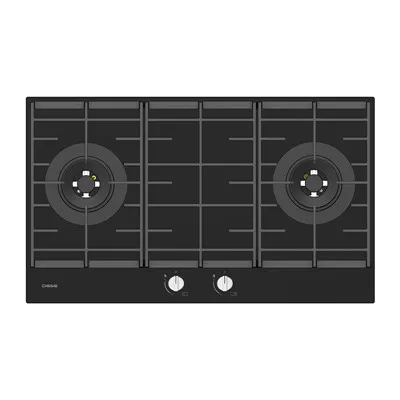
First off, let’s get the biggest myth out of the way right now. A lot of old campfire horror stories or half-remembered forum posts will tell you that gas in a caravan is a death trap, but that’s just like saying a kitchen gas stove in your house is unsafe – it all comes down to how you set it up, use it, and maintain it. I’ve seen vans with 10-year-old gas hobs running perfectly, and I’ve seen brand-new ones installed wrong that caused issues. So let’s break this down properly, no fluff.
First, the biggest non-negotiable: it’s all about compliance and safety standards. Here’s where a lot of people mess up – they’ll buy a nice portable gas hob online, drill a hole in their caravan counter, and call it a day, but that’s exactly how problems start. As a gas hob supplier, I can’t stress this enough: caravan gas systems aren’t the same as your backyard BBQ or your home kitchen. Caravans have specific safety requirements because they’re moving, enclosed spaces (well, as enclosed as a van gets) that have different ventilation needs.
Wait, let’s talk about ventilation first, because that’s the part almost no one explains clearly. A lot of new van owners think “I’ll crack a window” is enough, but actually, caravan gas hobs need two types of ventilation: permanent and operational. The permanent vent is usually a small, covered grill near the floor or ceiling of the caravan – that’s there to stop gas from building up if there’s a slow leak somewhere, even when you’re not cooking. Then operational ventilation is when you’re using the hob: you need at least a window or door that can be open fully, not just cracked an inch. I’ve had customers come to me saying they installed a new hob and their regulator, and their vents are blocked by storage – that’s a huge red flag, and I always advise them to sort that out before turning the gas on.
Next, choosing the right gas hob for a caravan, which is where my job as a supplier comes in. Not all gas hobs are created equal for caravans. You can’t just take a regular 4-burner kitchen hob and throw it in a van – they don’t have the safety features you need for moving vehicles. The key features to look for are: flame failure devices (FFDs) on every single burner. That means if the flame gets blown out by a draft, or it just goes out on its own, the gas automatically shuts off. I can’t tell you how many times I’ve had a customer come back saying they had a pan boil over and their flame went out, and if their hob didn’t have FFD, that could’ve been a big problem.
Then there’s the size and weight. Caravans have limited counter space, so you don’t want a giant hob that takes up all your room for prep, or adds unnecessary weight that messes with your van’s towing balance. Most of the caravan-specific hobs I supply are 2-burner (super common for weekend trips) or sometimes 3-burner for longer trips where you want more space. Portable hobs are an option too, but they need to be secured properly when you’re driving – loose hobs sliding around while you’re on the motorway are a bad idea.
Now, installation – this is the part I see go wrong more than anything else. I don’t care how handy you are with tools, installing a gas system in a caravan isn’t a DIY job for most people. You need a qualified gas engineer who’s certified to work on caravan gas systems, not just someone who fixes boilers at home. The reasons are simple: caravan gas systems use LPG (liquefied petroleum gas, which is different from natural gas in your house) and they have specific pressure requirements. The regulator has to be the right size for your hob and your gas bottle, the pipes have to be rated for caravan use (not cheap flexible pipe that kinks), and every single connection has to be leak-tested properly. I’ve had customers try to install their own hob, skip the leak test, and end up with a small gas leak they couldn’t smell until it was almost too late – that’s why professional installation is non-negotiable, full stop.
Wait, what about gas bottles? Can you use regular gas bottles in a caravan? Yep, but you need to make sure they’re secured too. The bottles have to be in a well-ventilated external storage locker, never inside the living area of the caravan. That’s another safety rule that’s easy to forget when you’re setting up for a trip. I always tell customers to get a gas bottle lock too, just to be extra safe, especially if you’re storing your van for long periods.
Now, let’s get to the practical stuff – does it actually work? The short answer is, if you set it up right, it works way better than any induction hob or gas camping stove. I’ve had van lifers tell me they cook everything from full Sunday roasts to fresh pasta on their caravan gas hobs, no issues. Of course, there are a few tips to make it work better. First, get a windscreen for your burners – caravan drafts (even from a cracked window) can blow out flames, which is where the FFD on your hob saves you, but a windscreen makes cooking easier and uses less gas. Second, keep spare FFD batteries? Wait no, most modern FFDs don’t need batteries, they’re mechanical. Third, turn off the gas at the bottle when you’re not using it, not just the hob – that’s a simple habit that prevents any leaks.
What about common mistakes people make? Let’s list them, because I hear these all the time. Number one: using a regular home hob without FFD. Bad idea, full stop. Number two: blocking ventilation vents. I once had a customer who stored his winter tyres in the external vent for 6 months, and when he turned the gas on, the carbon monoxide alarm went off instantly. That was a close call, and he learned his lesson fast. Number three: using the wrong regulator. Each hob has a specific regulator size – if you use one that’s too powerful, it can cause the flame to be too big and dangerous, if it’s too weak, it won’t light properly. Number four: not servicing your gas system every year. Just like your car needs a MOT, your caravan gas system needs a yearly check from a qualified engineer to make sure all pipes are intact, connections are tight, and everything is working right.
Wait, let’s address the elephant in the room: are there any alternatives if gas still feels too risky? Yeah, induction hobs are popular now, especially for people who care about safety, but let’s be real – induction needs electricity, which can be a problem if you’re off-grid on a wild camping spot with no hookups. Gas hobs run on LPG, which is easy to refuel or swap bottles, so they’re way more practical for remote trips. And modern caravan gas hobs are way safer than old models, thanks to those FFDs and better design.
As a gas hob supplier, I’ve helped so many people make the right choice for their caravan. I always tell them to start by checking their caravan’s manual – a lot of newer caravans already have pre-approved spaces for hob installation, so you don’t have to drill random holes. If you’re buying a hob from me, I always send a quick guide for what size regulator and pipe you need, and I’m happy to answer any questions about safety or installation.
Wait, let’s wrap this up with a clear answer to the original question: Yes, you can use a gas hob in a caravan, but only if you follow the safety rules, get the right gear, and use it properly. It’s not a reckless choice – it’s a practical one that makes caravan life way easier, whether you’re a weekend warrior or a full-time nomad.

If you’re in the market for a caravan gas hob, or you have questions about what’s right for your van, feel free to reach out for a chat about pricing, features, or anything else you need for your setup. Whether you’re kitting out a new caravan or upgrading an old one, we’ve got options that fit every budget and every type of trip.
Gas Hob References:
- Caravan Gas Safety Association. (2022). Standards for Gas Appliances in Caravans and Motorhomes.
- LPG UK. (2023). Safe Use of LPG in Recreational Vehicles.
- National Caravan Council. (2021). Installation Guidelines for Gas Systems in Touring Caravans.
- Royal Society for the Prevention of Accidents. (2022). Gas Safety for Campers and Caravanners.
Hangzhou DE&E Smart Home Co., Ltd.
As one of the most experienced gas hob manufacturers and suppliers in China, we offer a wide range of products with superior quality. Please feel free to wholesale cheap gas hob from our factory. Contact us for more details.
Address: No. 98 Hongxing Road, Xiaoshan District, Hangzhou City, Zhejiang Province 311231, China
E-mail: sabrina.liao@chinadee.com
WebSite: https://www.deeappliances.com/
