Hey everyone, it’s Jake from the fume hoods team here – you know, the people who make sure your lab’s most used workhorse doesn’t let you down when you’re mixing that weird buffer or handling random chemicals. I’ve been getting a ton of DMs lately from lab managers, new postdocs, even undergrads who just got handed the reigns to ordering equipment, asking the same thing: “What even makes a fume hood chemical-resistant?” Spoiler alert – it’s not just slapping some plastic on the frame and calling it a day. Most of you guys use these things every single day, so you deserve the real tea, no sales fluff, on what actually matters. Fume Hoods
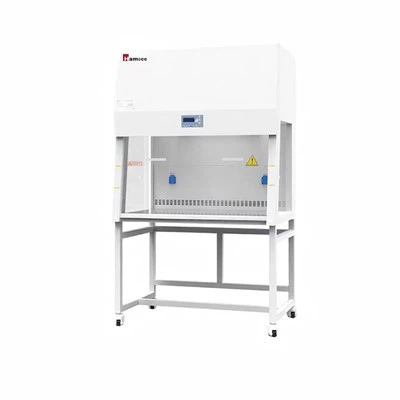
First off, let’s cut the crap. Chemical resistance isn’t a one-size-fits-all thing. If you’re a synthetic chemist working with concentrated acids and organic solvents 40 hours a week, your fume hood needs are way different than a microbiologist who only uses dilute ethanol and bleach. I’ve seen too many labs buy the cheap, all-purpose hood from that big box industrial supplier, only to have the inner liner bubble up or the sash tracks rust within a year. Not only is that a safety hazard – if corrosive chemicals seep through, they can get into the ductwork and cause way bigger issues down the line – but it’s also a total waste of money. You shouldn’t have to replace your hood every two years, right?
Let’s break down the actual parts of a fume hood that touch chemicals, because that’s where the rubber meets the road. The first big one is the interior liner. This is the stuff that lines the back, side walls, and the work surface – if you spill something, it’s hitting this first, not the frame. The most common materials here are powder-coated steel, stainless steel, and high-density polyethylene (HDPE). Wait, but which one for what? Powder-coated steel is cheap, but it sucks for anything stronger than dilute acetic acid. If you spill concentrated nitric acid on it, the coating chips off within days, exposing the steel underneath which will rust fast. Stainless steel’s good for strong acids, like sulfuric or hydrochloric, but it’s garbage for organic solvents – things like acetone, dichloromethane, or toluene will eat right through the gaps if it’s not a type 316 stainless steel, and even that’s pricey. HDPE, on the other hand, is my go-to for most organic solvents and mild acids. It’s flexible, doesn’t chip, and resists most spills pretty well – but it’s not great for really hot chemicals, like if you’re heating a flask to 200C in there. That will melt HDPE in a heartbeat, so HDPE liners for hoods where they do a lot of heating? Not ideal.
Next up, the sash – that big glass (or sometimes acrylic, but glass is standard now) panel that slides up and down. Wait, glass is chemically resistant, right? Mostly, but if you get something like hydrofluoric acid on it, it etches the glass, making it foggy and weak. You need a sash that’s got a coating that resists that, or at least one that’s easy to replace if something does splatter. Oh, and the sash frame – if that’s made of regular aluminum, any fumes that get past the seal will corrode it, making the sash stick or not seal properly. That’s a huge safety thing – if your sash isn’t closed tight when you’re working, fumes escape into the lab. We build our sash frames with coated aluminum, so they don’t corrode even after years of being around solvent fumes.
Then there’s the duct connection, the work surface, and even the hardware – the bolts, the sliders, the fans (wait, no, the fan’s external, but the internal vents). The work surface is super important because that’s where all your flasks and beakers sit. If you spill something, it’s pooling right there. Epoxy resin work surfaces are common, but again, same issue as powder coating – not great for strong solvents. We use solid HDPE work surfaces for most labs, but if you’re dealing with really high-heat spills, like molten metal or hot acids, we do a phenolic resin work surface that’s heat and chemical resistant. Also, the hardware – little things like the latch on the sash, the adjustment knobs, the clips for the interior shelves. If those are made of regular plastic or low-grade steel, they’ll corrode, break, and then your hood’s basically useless. We use 316 stainless steel for all hardware on our heavy-duty hoods, and coated plastic for the ones for lighter use, so it’s tailored.
Wait, and let’s not forget about the less obvious stuff: the interior shelves. If you’re storing beakers or separatory funnels in your hood, they’re sitting on those shelves, which get splashed too. If those are made of wood or plain plastic, they’ll absorb chemicals, grow mold, and start falling apart. We make our shelves with either HDPE or stainless steel, depending on the use case, and they’re removable so you can take them out and wash them down regularly. That’s a big one – being able to clean your hood properly after a big spill, you don’t want parts that are glued or bolted in that you can’t get to.
Now, here’s the part a lot of people miss: chemical resistance is also about exposure level. Like, if you only use a hood once a week for small spills, that’s way less wear than using it every single day for multiple concentrated acid manipulations. We call that “continuous vs. intermittent exposure,” and it changes what material you need. For example, a lab that only does PCR (so mostly water, ethanol, and dilute bleach) can totally get away with a powder-coated steel liner – it’s cheaper, does the job, no need to overspend. But a lab doing organic synthesis 5 days a week, running reactions with ether, chloroform, and other solvents that vaporize and sit in the hood? You need HDPE or 316 stainless, because those fumes will sit there and eat at the liner even if you don’t spill anything directly. I’ve had a customer tell me they had a hood where the side liner developed cracks after 18 months just from constant solvent fumes, no big spills, because they got the wrong material. That’s preventable.
Also, there’s the new stuff I’ve been testing with lately for really niche applications – like perfluoroalkoxy alkane (PFA) liners for labs that handle things like hydrofluoric acid or other super corrosive chemicals. PFA is basically chemical-proof, but it’s way more expensive, so it’s only for labs that work with stuff that will eat through HDPE or stainless. If you need that, we can do it, but 90% of labs don’t. Don’t buy a PFA liner just because it sounds fancy – you’re just wasting money.
Wait, and let’s talk about certifications, because that’s a quick way to tell if a hood is actually good. A lot of cheap hoods will say “chemical resistant” on the website, but they don’t have any independent testing to back that up. Look for certifications from ANSI/ASHRAE 110, that’s the standard for fume hood performance, but also look for specific chemical resistance testing from groups like the National Sanitation Foundation (NSF) or the International Organization for Standardization (ISO). If a vendor can’t show you test data that says their hood withstood X amount of Y chemical for Z amount of time, take that claim with a grain of salt. I’ve seen a hood that said it was chemical resistant for acids, but testing showed that after 24 hours of being splashed with 10M HCl, the liner had bubbled and needed replacement. That’s not the real deal.
Another thing I want to mention is maintenance. Even the most chemical-resistant hood in the world will fail if you don’t take care of it. Wipe down your interior regularly after spills, don’t let chemicals sit and pool, inspect the sash tracks and hardware every few months for corrosion. I had a lab manager last year who told me they never cleaned their hood, and after 5 years, the sash wouldn’t close all the way because of corrosive build-up on the tracks. They ended up having to replace the whole sash, which could’ve been avoided with a 10-minute wipe down every week. Our team actually gives a free maintenance guide to all our customers, because we care about our products lasting, not just selling them.
Let’s wrap this up with some quick takeaways, so you don’t have to reread this whole thing. First, match the hood material to your actual use: if you’re doing dilute stuff, powder coating is fine; if it’s daily organics, go HDPE; if it’s strong acids or constant high fume exposure, go stainless steel. Second, don’t overbuy – you don’t need PFA unless you’re handling hyper-corrosive stuff. Third, check for real certifications, not just marketing claims. Fourth, maintain your hood, it’s way cheaper than replacing it.

At the end of the day, a fume hood’s job is to keep you safe, so skimping on chemical resistance is never worth it. If you’re not sure what you need, hit us up – we do free, no-obligation consultations to figure out the right setup for your lab, whether you’re a tiny teaching lab or a big pharma R&D facility. We don’t do one-size-fits-all here, because every lab’s needs are different. Don’t waste your money on a hood that will fall apart in a year or put you at risk. Reach out anytime to chat through your requirements, we’re here to help.
Fume Hoods References:
- ANSI/ASHRAE Standard 110, Method of Testing Performance of Laboratory Fume Hoods
- International Organization for Standardization (ISO) 15798, Laboratory Fume Hoods – Performance Requirements and Test Methods
- National Sanitation Foundation (NSF) Standard 49, Air Purifying Respirants
- "Chemical Resistance of Common Fume Hood Liner Materials", Journal of Laboratory Safety, 2022, Vol. 18, No. 3
HAMECC(Shanghai) Lab Solutions Co., Ltd.
We’re well-known as one of the leading fume hoods manufacturers and suppliers in China, featured by quality products and good price. Please rest assured to buy customized fume hoods made in China here from our factory.
Address: Building 1, No. 2222, Huancheng Road, Jiading District, Shanghai
E-mail: info@hamecc.com
WebSite: https://www.hamecc.com/
