How to dispose of other functional chemicals safely?
As a supplier of other functional chemicals, I am well – aware of the importance of safe disposal of these substances. Other functional chemicals are used in a wide range of industries, from manufacturing and agriculture to healthcare and consumer products. However, improper disposal can lead to serious environmental and health risks. In this blog, I will share some key guidelines on how to dispose of these chemicals safely. Other Functional Chemicals

First and foremost, it is essential to understand the nature of the chemicals you are dealing with. Other functional chemicals can have diverse properties, including toxicity, flammability, reactivity, and corrosiveness. Different countries and regions have their own classification systems for chemicals, often based on international standards such as the Globally Harmonized System of Classification and Labelling of Chemicals (GHS). By referring to the safety data sheet (SDS) provided by the manufacturer or supplier, you can obtain detailed information about the chemical’s hazards, proper handling procedures, and recommended disposal methods.
For non – hazardous functional chemicals, the disposal process may be relatively straightforward. If the chemical is water – soluble and non – toxic, it may be possible to dilute it with a large amount of water and dispose of it through the regular sewage system. However, this should only be done in accordance with local regulations. Some municipalities have strict rules regarding the discharge of chemicals into the sewer, even if they are considered non – hazardous. In such cases, it is advisable to contact the local wastewater treatment facility to obtain permission and guidance.
In the case of solid non – hazardous functional chemicals, they can often be disposed of in regular landfills. However, it is crucial to ensure that the chemicals are properly packaged to prevent leakage or contamination. Use appropriate containers made of materials that are resistant to the chemical’s properties, such as plastic or metal drums. Label the containers clearly with the name of the chemical, its hazards (even if non – significant), and the date of disposal.
When dealing with hazardous functional chemicals, the disposal process becomes more complex and regulated. Flammable chemicals should never be disposed of in regular waste streams. Instead, they need to be collected and stored in approved flammable storage cabinets or containers. Transportation of flammable chemicals also requires special precautions, such as using vehicles that are equipped with proper fire – suppression systems and following specific routes that are designated for transporting hazardous materials.
For toxic chemicals, one of the most common disposal methods is through incineration. Incineration can break down many toxic substances into less harmful by – products. However, it must be carried out in a specialized incinerator that is designed to handle hazardous chemicals. These incinerators are equipped with advanced pollution control technologies to minimize the release of pollutants into the atmosphere. The residues left after incineration may also need to be treated further before final disposal, as they may still contain trace amounts of toxic substances.
Reactive chemicals, which have the potential to react violently with other substances, require careful management. They should be stored separately from incompatible materials to prevent accidental reactions. Disposal of reactive chemicals may involve neutralization or chemical treatment to render them less reactive. For example, some acidic or basic reactive chemicals can be neutralized with appropriate reagents before disposal.
Corrosive chemicals can cause damage to human skin, equipment, and the environment. When disposing of corrosive functional chemicals, it is important to wear appropriate personal protective equipment (PPE), such as gloves, goggles, and protective clothing. These chemicals can often be neutralized before disposal. For example, a strong acid can be neutralized with a base, and vice versa. The neutralized solution should then be tested to ensure that it is within the acceptable pH range for disposal.
Recycling is also an important aspect of chemical disposal. Some functional chemicals can be recycled or reused, which not only reduces waste but also conserves resources. For example, certain solvents can be recovered through distillation processes. As a supplier, we often work with our customers to explore recycling options for the chemicals we provide. We can offer guidance on how to set up in – house recycling systems or connect them with specialized recycling companies.
In addition to following proper disposal methods, record – keeping is also crucial. Keep detailed records of the chemicals you have disposed of, including the name, quantity, date of disposal, and the method used. These records can be useful for regulatory compliance, environmental audits, and emergency response planning.
Training is another key factor in ensuring safe disposal of other functional chemicals. All employees who are involved in handling and disposing of chemicals should receive proper training on the hazards of the chemicals, the correct handling procedures, and the disposal methods. Regular refresher courses should be provided to keep employees updated on the latest regulations and best practices.
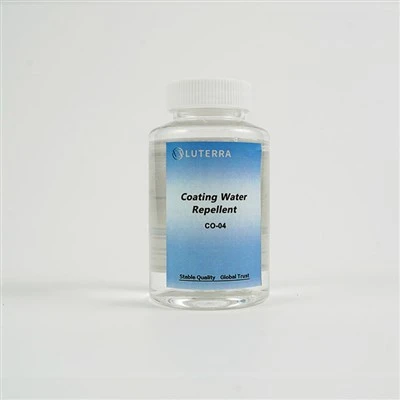
As a supplier of other functional chemicals, we are committed to providing our customers with not only high – quality products but also comprehensive support on chemical management. We understand that safe disposal is an important part of responsible chemical use. If you have any questions about the disposal of the chemicals we supply or need advice on chemical management in general, we are here to help.
Defoamer We encourage you to reach out to us to discuss your specific needs. Whether you are looking to purchase our functional chemicals or need guidance on their proper use and disposal, our team of experts is ready to assist you. By working together, we can ensure the safe and sustainable use of other functional chemicals, protecting both the environment and human health.
References
- International Labour Organization. (2019). Globally Harmonized System of Classification and Labelling of Chemicals (GHS) (7th revised edition).
- United States Environmental Protection Agency. (2023). Hazardous Waste Management.
- European Chemicals Agency. (2023). Chemical safety data sheets.
Luterra Advanced Materials Co., Ltd.
We are one of the most experienced functional chemicals manufacturers and suppliers in China, also support customized service. With a professional production team, we are able to meet the needs of the majority of our customers. Please feel free to buy high quality functional chemicals made in China here from our factory.
Address: East End of Jingting Road, Caterpillar Industrial Zone, Qingzhou City, Weifang City, Shandong Province, China
E-mail: info@luterra-chem.com
WebSite: https://www.luterra-chem.com/
