Are there any standard specifications for multi – layer labels?
As a supplier of multi – layer labels, I’ve been frequently asked about standard specifications for these products. In the world of labeling, multi – layer labels offer a unique solution for presenting a large amount of information in a compact space. But the question of standard specifications is not as straightforward as one might think. Multi-layer Labels
The Nature of Multi – layer Labels
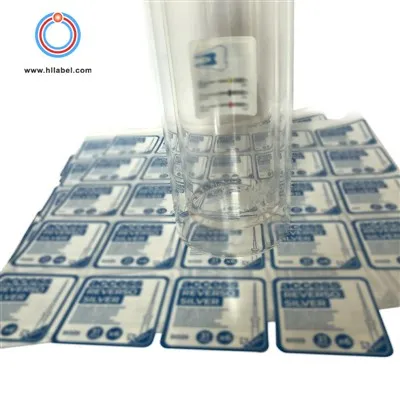
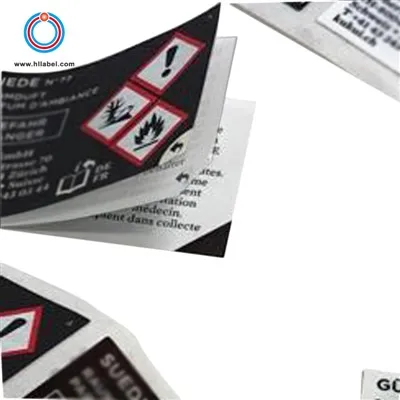
Multi – layer labels consist of two or more layers of printable material, typically paper or film, with an adhesive between each layer. The top layer can be peeled off to reveal the layer beneath, allowing for sequential presentation of information. This makes them ideal for applications such as product instructions, warranty information, price tags, and promotional messages.
The Lack of Universal Standard Specifications
One of the first things to note is that there is no single, universal set of standard specifications for multi – layer labels. This is due to the diverse range of applications and industries that use them. Different sectors have different requirements in terms of size, material, adhesive strength, print quality, and durability.
For example, in the pharmaceutical industry, multi – layer labels need to be highly durable and resistant to moisture and chemicals. They also must adhere to strict regulatory requirements for font size, legibility, and information accuracy. On the other hand, the food and beverage industry may prioritize labels that are safe for direct contact with food, have good resistance to grease and water, and can withstand temperature variations during storage and transportation.
Size and Shape
When it comes to size and shape, multi – layer labels can come in almost any configuration. The most common shapes are rectangles and squares, but they can also be die – cut into custom shapes such as circles, ovals, or irregular forms to fit specific product designs or branding requirements.
In terms of size, there are some common sizes that are used more frequently. For product packaging, small to medium – sized multi – layer labels might range from a few square centimeters to several hundred square centimeters. However, for large – scale industrial applications or point – of – sale displays, labels can be much larger. It’s important to communicate with clients to understand their specific needs in terms of size and shape, as these can impact the design, production process, and ultimately, the cost.
Material Selection
The choice of material for multi – layer labels is crucial and depends on the application. The base materials commonly used include paper, polyester, polypropylene, and vinyl.
Paper is a popular choice for its cost – effectiveness and ease of printing. It is suitable for applications where moisture resistance is not a major concern, such as price tags in retail stores. Polyester and polypropylene offer better durability, water resistance, and chemical resistance. They are often used in industrial applications, outdoor signage, or automotive labels. Vinyl is flexible and has good adhesion, making it suitable for curved surfaces and applications where a high – quality finish is required, such as on electronic devices.
The adhesive is another important aspect of material selection. The strength and type of adhesive need to be carefully considered based on the surface to which the label will be applied. For example, a permanent adhesive is required for applications where the label needs to stay in place for a long time, such as on product packaging. A removable adhesive may be preferred for promotional labels or temporary signage.
Print Quality and Color
Print quality is a key factor in the effectiveness of multi – layer labels. In today’s market, customers expect high – resolution, sharp, and vibrant prints. The printing methods used for multi – layer labels include flexography, digital printing, and offset printing.
Flexography is a cost – effective method for large – scale production. It can produce good – quality prints on a variety of materials, but it may have some limitations in terms of fine details and color accuracy. Digital printing, on the other hand, offers high – precision printing, variable data printing capabilities, and the ability to produce small – batch runs quickly. It is suitable for applications where customization and fast turnaround times are important. Offset printing is known for its excellent color reproduction and high – quality prints, but it is more expensive and less flexible for small – scale production.
Color management is also crucial. Consistent color matching is essential, especially for brands that have specific brand colors. Pantone Matching System (PMS) is often used to ensure accurate color reproduction across different printing batches.
Durability and Resistance
The durability of multi – layer labels is a significant consideration. In addition to the material and adhesive choices, the labels may need to be treated with coatings to enhance their resistance to factors such as abrasion, UV light, and chemicals.
For outdoor applications, labels need to have good UV resistance to prevent fading and discoloration over time. In industrial environments, labels may need to withstand exposure to chemicals, solvents, or extreme temperatures. Applying a protective coating during the manufacturing process can improve the label’s durability and ensure that it maintains its appearance and functionality for the intended lifespan.
Industry – Specific Standards
While there is no overarching standard for multi – layer labels, many industries have their own specific standards and regulations.
In the medical and pharmaceutical industry, labels must comply with strict regulations regarding the labeling of drugs, medical devices, and biologics. These regulations cover aspects such as font size, information content, and safety warnings. For example, the U.S. Food and Drug Administration (FDA) has detailed requirements for prescription drug labels to ensure patient safety and proper use of medications.
The automotive industry also has its own set of standards for labels used on vehicles. These labels need to be durable enough to withstand harsh environmental conditions, including extreme temperatures, vibrations, and exposure to chemicals. They also must provide accurate information about the vehicle’s components, maintenance schedules, and safety features.
Our Role as a Supplier
As a multi – layer label supplier, our job is to work closely with customers to understand their specific requirements and provide tailored solutions. We have a team of experts who are knowledgeable about the different materials, printing methods, and industry standards.
When a customer approaches us, we start by having in – depth discussions to understand the application of the labels, the surface to which they will be applied, the information that needs to be presented, and any regulatory requirements. Based on this information, we can recommend the most suitable materials, printing methods, and label designs.
We also offer prototyping services to allow customers to see and test the labels before committing to large – scale production. This helps to ensure that the final product meets their expectations in terms of appearance, functionality, and durability.
The Importance of Customization
In conclusion, while there are no strict standard specifications for multi – layer labels, the key to success in this market is customization. Each customer has unique needs, and by providing personalized solutions, we can help them achieve their labeling goals effectively.
Whether it’s creating a multi – layer label for a new product launch, updating the labels on an existing product line, or developing labels for a specific industry application, we are committed to delivering high – quality, customized labels. We understand that your labels are an important part of your brand image and product identity, and we strive to provide the best possible solutions.
Multi-layer Labels If you are in need of multi – layer labels for your business, we would love to hear from you. Our team is ready to discuss your requirements, provide expert advice, and work with you to create the perfect labels for your products. Contact us today to start the conversation and explore how our multi – layer labels can add value to your business.
References
- "Labeling and Packaging in the Pharmaceutical Industry", Pharmaceutical Press
- "Automotive Labeling Standards and Best Practices", Society of Automotive Engineers (SAE)
- "Printing Techniques for Modern Labeling",Graphic Arts Technical Foundation (GATF)
Huizhou Huilong Printing Company Limited
As one of the most professional multi-layer labels manufacturers in China, we have world-leading production equipment and strong manufacturing capabilities. Please feel free to buy bulk multi-layer labels in stock here from our factory. Also, pricelist is available.
Address: Xin’er Group, Xiamazhuang, Huicheng District, Huizhou City, Guangdong Province
E-mail: huilong278@163.com
WebSite: https://www.huilonglable.com/
