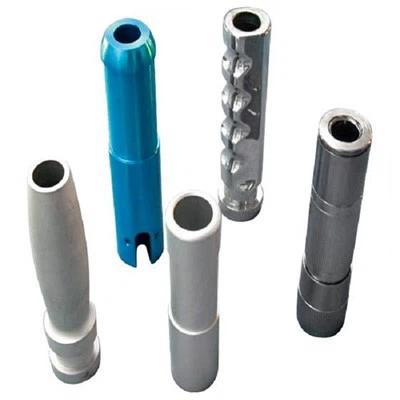
As a supplier of automotive turned parts, I’ve witnessed firsthand the intricate web of cost factors that come into play during the production process. These factors can significantly impact the overall cost of manufacturing automotive turned parts, and understanding them is crucial for both suppliers like us and our customers. In this blog post, I’ll delve into the key cost factors in the production of automotive turned parts and shed light on how they influence the final price. Automotive Turned Parts
Raw Material Costs
One of the most significant cost factors in the production of automotive turned parts is the cost of raw materials. The type and quality of materials used can vary widely, depending on the specific requirements of the part. For example, high-strength alloys and specialty steels are often used in automotive applications due to their superior mechanical properties. However, these materials can be more expensive than standard steels or aluminum.
The price of raw materials is subject to market fluctuations, which can have a direct impact on production costs. Factors such as global supply and demand, geopolitical events, and currency exchange rates can all affect the price of raw materials. As a supplier, we closely monitor these market trends and work with our customers to find the most cost-effective solutions without compromising on quality.
In addition to the cost of the raw materials themselves, there are also costs associated with material handling, storage, and waste management. These costs can add up quickly, especially for large-scale production runs. To minimize these costs, we implement efficient inventory management systems and recycling programs to reduce waste and optimize material usage.
Machining and Manufacturing Processes
The machining and manufacturing processes used to produce automotive turned parts also play a significant role in determining the overall cost. The complexity of the part design, the required precision, and the production volume all influence the choice of machining processes and the associated costs.
For simple turned parts with basic geometries, conventional machining methods such as turning, milling, and drilling may be sufficient. These processes are relatively straightforward and can be performed using standard machine tools. However, for more complex parts with tight tolerances and intricate features, advanced machining techniques such as CNC (Computer Numerical Control) machining may be required. CNC machining offers greater precision and flexibility, but it also comes with higher equipment costs and longer setup times.
Another factor to consider is the production volume. For low-volume production runs, the setup costs associated with machining can be a significant portion of the total cost. In these cases, it may be more cost-effective to use alternative manufacturing methods such as 3D printing or injection molding. These processes can offer faster turnaround times and lower setup costs, making them ideal for prototyping and small-scale production.
In addition to the machining processes themselves, there are also costs associated with tooling, fixtures, and equipment maintenance. These costs can vary depending on the complexity of the part and the type of machining processes used. To minimize these costs, we invest in high-quality tools and equipment and implement regular maintenance programs to ensure optimal performance and longevity.
Labor Costs
Labor costs are another significant factor in the production of automotive turned parts. The amount of labor required to produce a part depends on the complexity of the part design, the machining processes used, and the production volume. For simple parts that can be produced using automated machining processes, the labor requirements may be relatively low. However, for more complex parts that require manual intervention, such as finishing operations or assembly, the labor costs can be higher.
In addition to the direct labor costs associated with machining and assembly, there are also indirect labor costs such as supervision, quality control, and maintenance. These costs can add up quickly, especially for large-scale production runs. To minimize labor costs, we invest in training and development programs to improve the skills and efficiency of our workforce. We also implement lean manufacturing principles to streamline our production processes and reduce waste.
Quality Control and Testing
Quality control and testing are essential aspects of the production process for automotive turned parts. Ensuring that the parts meet the required specifications and quality standards is crucial for the safety and performance of the automotive systems in which they are used. However, quality control and testing also come with associated costs.
The cost of quality control and testing depends on the type and complexity of the part, as well as the required level of quality assurance. For simple parts with basic geometries, visual inspection and basic dimensional measurements may be sufficient. However, for more complex parts with tight tolerances and critical performance requirements, more advanced testing methods such as non-destructive testing (NDT) or functional testing may be required.
In addition to the cost of the testing equipment and personnel, there are also costs associated with rework and scrap. If a part fails to meet the required specifications during quality control, it may need to be reworked or scrapped. These costs can add up quickly, especially for high-value parts or large production runs. To minimize these costs, we implement a comprehensive quality management system that includes preventive measures such as process control and continuous improvement.
Overhead Costs
Overhead costs are the indirect costs associated with running a manufacturing business. These costs include rent, utilities, insurance, taxes, and administrative expenses. While overhead costs may not be directly related to the production of automotive turned parts, they still have a significant impact on the overall cost of production.
The amount of overhead costs can vary depending on the size and location of the manufacturing facility, as well as the level of automation and technology used. To minimize overhead costs, we implement cost-saving measures such as energy-efficient equipment, lean manufacturing principles, and outsourcing non-core functions.
Conclusion
In conclusion, the production of automotive turned parts involves a complex interplay of cost factors. Raw material costs, machining and manufacturing processes, labor costs, quality control and testing, and overhead costs all contribute to the overall cost of production. As a supplier of automotive turned parts, we understand the importance of managing these cost factors to provide our customers with high-quality products at competitive prices.

By closely monitoring market trends, investing in advanced technology and equipment, and implementing efficient production processes, we are able to optimize our production costs without compromising on quality. We also work closely with our customers to understand their specific requirements and provide customized solutions that meet their needs and budget.
Turned Parts If you’re in the market for automotive turned parts, we invite you to contact us to discuss your requirements. Our team of experienced engineers and manufacturing experts will work with you to develop a cost-effective solution that meets your specifications and quality standards. We look forward to the opportunity to serve you and help you achieve your automotive manufacturing goals.
References
- ASM Handbook, Volume 20: Materials Selection and Design
- Manufacturing Engineering and Technology, by Serope Kalpakjian and Steven Schmid
- Automotive Manufacturing Technology, by John A. Schey
Hangzhou Zhalihui Import And Export Co., Ltd.
We are one of the most experienced automotive turned parts manufacturers and suppliers in China, specialized in providing high quality customized products. Please feel free to buy discount automotive turned parts in stock here from our factory. Contact us for quotation.
Address: Room 2801, Building 2, Taifu Plaza, No.17, Tonghui Middle Road, Chengxiang Street, Xiaoshan, Hangzhou, Zhejiang
E-mail: Chars_1979@hotmail.com
WebSite: https://www.zhalihui.com/
