Has the design of the Jp Standard Plug Pin changed over time? Jp Standard Plug Pin
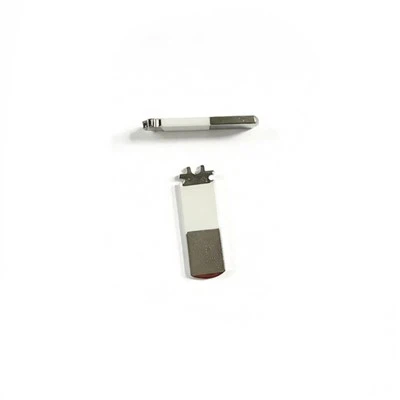
As a supplier of Jp Standard Plug Pins, I have witnessed firsthand the evolution of these essential electrical components. In this blog post, I will delve into the history of Jp Standard Plug Pin design, explore the factors that have influenced its changes, and discuss the implications for modern consumers and businesses.
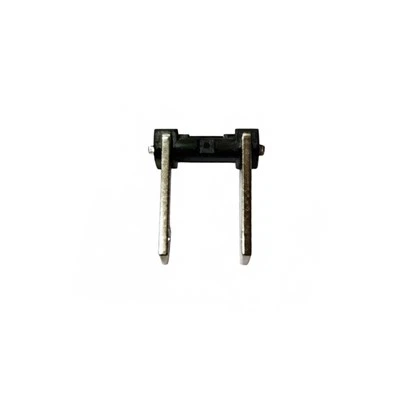
The Jp Standard Plug Pin, also known as the Japanese standard plug, is a widely recognized electrical connector used in Japan and other parts of the world. Its design is characterized by two flat parallel blades, typically measuring 6.35mm in width and 1.6mm in thickness, and a grounding pin in the center. This configuration has been standardized by the Japanese Industrial Standards (JIS) and is designed to ensure compatibility and safety in electrical installations.
The origins of the Jp Standard Plug Pin can be traced back to the early 20th century when Japan began to modernize its electrical infrastructure. At the time, the country adopted a number of international standards, including those related to electrical plugs and sockets. However, as the demand for electricity increased and new technologies emerged, the need for a standardized plug design became apparent.
In 1921, the Japanese government established the JIS, which was tasked with developing and promoting industrial standards in Japan. One of the first standards to be developed was JIS C 8303, which specified the dimensions and performance requirements for electrical plugs and sockets. This standard laid the foundation for the modern Jp Standard Plug Pin and helped to ensure compatibility and safety in electrical installations across the country.
Over the years, the design of the Jp Standard Plug Pin has undergone several changes in response to technological advancements, safety concerns, and changing consumer needs. One of the most significant changes occurred in the 1960s when Japan began to adopt a new grounding system for electrical appliances. This system, known as the "three – wire grounding system," required the use of a plug with a grounding pin to prevent electrical shocks and fires.
As a result, the Jp Standard Plug Pin was modified to include a grounding pin in the center. This new design not only improved safety but also made it easier to use electrical appliances in Japan, as many foreign – made appliances were already equipped with three – prong plugs.
In addition to the introduction of the grounding pin, the design of the Jp Standard Plug Pin has also evolved to accommodate new technologies and materials. For example, in recent years, there has been a trend towards the use of more durable and heat – resistant materials in the construction of plug pins. This is due in part to the increasing power consumption of modern electrical appliances, which can generate more heat than older models.
Another factor that has influenced the design of the Jp Standard Plug Pin is the growing demand for energy – efficient electrical appliances. As consumers become more aware of the environmental impact of their energy consumption, there is a greater need for plug pins that can minimize energy loss and improve the efficiency of electrical systems.
To address this issue, some manufacturers have developed plug pins with improved conductivity and reduced resistance. These plug pins are designed to allow more electricity to flow through them with less energy loss, resulting in lower energy consumption and cost savings for consumers.
In addition to technological advancements, safety regulations have also played a significant role in shaping the design of the Jp Standard Plug Pin. In Japan, electrical products are subject to strict safety standards and regulations to ensure the protection of consumers and the prevention of electrical accidents.
For example, the JIS C 8303 standard specifies the requirements for the mechanical and electrical performance of plug pins, including their dimensions, materials, and insulation properties. These standards are regularly updated to reflect the latest technological advancements and safety requirements, ensuring that plug pins meet the highest levels of quality and safety.
Despite these changes, the basic design of the Jp Standard Plug Pin has remained relatively consistent over time. The two flat parallel blades and the grounding pin continue to be the defining features of the plug, providing a reliable and standardized connection for electrical appliances.
However, as the global market for electrical products continues to grow, there is a need for greater compatibility and interoperability between different plug designs. This has led to the development of international standards and agreements, such as the International Electrotechnical Commission (IEC) standards, which aim to harmonize the design and performance of electrical plugs and sockets around the world.
As a supplier of Jp Standard Plug Pins, I am committed to ensuring that our products meet the highest standards of quality, safety, and performance. We use the latest manufacturing technologies and materials to produce plug pins that are durable, reliable, and energy – efficient.
Our plug pins are designed to comply with all relevant international and Japanese standards, including JIS C 8303 and IEC standards. This ensures that our customers can use our products with confidence, knowing that they are safe and compatible with their electrical systems.
In addition to our standard product range, we also offer custom – made plug pins to meet the specific needs of our customers. Whether you require a plug pin with a different size, shape, or material, our experienced engineering team can work with you to develop a solution that meets your requirements.
If you are in the market for high – quality Jp Standard Plug Pins, I encourage you to contact us to discuss your needs. Our sales team is available to provide you with more information about our products, pricing, and delivery options. We are committed to providing excellent customer service and look forward to the opportunity to work with you.
In conclusion, the design of the Jp Standard Plug Pin has changed over time in response to technological advancements, safety concerns, and changing consumer needs. While the basic design has remained relatively consistent, there have been significant improvements in terms of safety, durability, and energy efficiency. As a supplier of Jp Standard Plug Pins, we are proud to be at the forefront of this evolution, providing our customers with high – quality products that meet the highest standards of performance and reliability.
Jp Standard Plug Pin References
- Japanese Industrial Standards (JIS) C 8303
- International Electrotechnical Commission (IEC) standards related to electrical plugs and sockets
Dongguan Fangrun Metal Products Co., Ltd.
We’re well-known as one of the leading jp standard plug pin manufacturers in China, specialized in providing high quality customized products. Please feel free to buy discount jp standard plug pin made in China here from our factory. For quotation and free sample, contact us now.
Address: New Town Industrial Zone,Xiegang Village,Xie Gang Town,Dongguan City
E-mail: 825556703@qq.com
WebSite: https://www.fangrunpin.com/
