As a supplier of vented bulk containers, I’ve witnessed firsthand the numerous benefits these innovative storage solutions offer across a wide range of industries. From food and beverage to pharmaceuticals and chemicals, vented bulk containers provide a reliable and efficient way to store and transport large quantities of goods. However, like any product, vented bulk containers do have their limitations. In this blog post, I’ll explore some of the key limitations of using vented bulk containers and discuss how they can impact your business operations. Vented Bulk Container
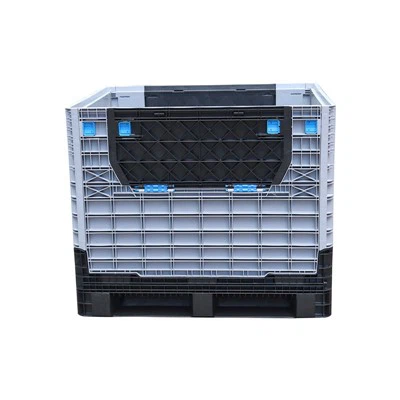
1. Limited Protection Against Moisture and Contaminants
One of the primary limitations of vented bulk containers is their reduced ability to protect contents from moisture and external contaminants. The vents, which are essential for air circulation, create openings that can allow moisture, dust, and other particles to enter the container. In environments where humidity control or strict contamination prevention is crucial, this can be a significant drawback.
For instance, in the food industry, products such as grains and powdered ingredients are highly susceptible to moisture damage. Excess moisture can lead to mold growth, spoilage, and a decrease in product quality. Similarly, in the pharmaceutical sector, even minor contamination can compromise the efficacy and safety of medications. While vented bulk containers can be used in these industries, additional measures, such as the use of inner liners or desiccants, may be required to ensure product integrity.
2. Temperature and Climate Sensitivity
Another limitation is the impact of vented containers on temperature regulation. The vents allow for air exchange, which can be beneficial in some cases, such as preventing the buildup of heat and gases. However, in extreme climates or when storing temperature-sensitive products, this can lead to challenges.
In cold environments, the vents can cause the contents to cool more rapidly, potentially affecting the stability of certain products. Conversely, in hot and humid conditions, the increased air flow can exacerbate moisture issues and contribute to higher internal temperatures. For example, some chemical compounds may require specific temperature ranges to maintain their chemical properties. Using a vented bulk container in an environment where temperature control is difficult can lead to product degradation.
3. Structural Integrity and Stacking Limitations
While vented bulk containers are designed to be sturdy and durable, the presence of vents can affect their structural integrity. The openings in the container walls can weaken the overall structure, especially when compared to non – vented containers of the same material and design.
This can lead to limitations in stacking. In a warehouse or shipping context, efficient use of space often involves stacking containers on top of each other. However, vented bulk containers may have lower stacking heights or weight capacities due to their reduced structural strength. If your business relies on high – density storage and stacking, this limitation can impact your storage efficiency and increase the need for more floor space.
4. Contamination Concerns During Cleaning
Cleaning vented bulk containers can be more challenging than cleaning non – vented ones. The vents create crevices and hard – to – reach areas where dirt, debris, and product residues can accumulate. If not properly cleaned, these residues can contaminate subsequent loads, posing a risk to product quality and safety.
In industries with strict hygiene standards, such as the food and beverage or biotechnology sectors, thorough cleaning is essential. Specialized cleaning equipment and procedures may be required to ensure that all areas of the container, including the vents, are completely clean. This can increase the time and cost associated with container maintenance.
5. Limited Versatility for Hazardous Materials
When it comes to storing and transporting hazardous materials, vented bulk containers may not be the most suitable option. Many hazardous substances require a hermetically sealed environment to prevent leaks, spills, and the release of toxic fumes. The vents in these containers can compromise the integrity of the containment system, making them less safe for handling certain types of hazardous materials.
Regulatory requirements for the transportation of hazardous materials are often very strict, and using a vented container that does not meet these standards can result in significant legal and safety risks. Therefore, in industries dealing with hazardous chemicals, solvents, or radioactive materials, non – vented or specially designed containers are typically preferred.
Strategies to Mitigate Limitations
While the limitations of vented bulk containers are significant, there are several strategies that businesses can employ to minimize their impact:
Use of Inner Liners
As mentioned earlier, using inner liners can provide an additional layer of protection against moisture and contaminants. These liners can be made of materials such as polyethylene or nylon, which are impermeable to water and can prevent external particles from reaching the contents of the container.
Climate – Controlled Environments
For temperature – sensitive products, storing vented bulk containers in climate – controlled warehouses or transportation vehicles can help maintain the optimal temperature and humidity levels. This can reduce the risk of product degradation due to extreme weather conditions.
Reinforced Design
Manufacturers can develop reinforced vented bulk container designs to improve their structural integrity. This may involve using stronger materials, adding support structures around the vents, or optimizing the container’s shape to distribute weight more evenly during stacking.
Advanced Cleaning Technologies
Implementing advanced cleaning technologies, such as automated cleaning systems or high – pressure steam cleaners, can help ensure thorough cleaning of vented containers. These technologies can reach the hard – to – clean areas around the vents and remove stubborn residues more effectively.
Conclusion

Despite their limitations, vented bulk containers remain a valuable solution for many industries. Their ability to provide air circulation and prevent the buildup of heat and gases makes them ideal for storing and transporting a variety of products. By understanding the limitations and implementing appropriate strategies to mitigate them, businesses can continue to benefit from the use of vented bulk containers while ensuring product quality and safety.
Plastic Insect Box If you’re considering using vented bulk containers for your business or would like to learn more about how to address the limitations mentioned in this blog, please don’t hesitate to reach out to us. Our team of experts is ready to discuss your specific needs and provide you with customized solutions.
References
- "Bulk Storage Container Design and Applications" by Industrial Storage Association.
- "Food Packaging and Preservation" by Food Science Institute.
- "Hazardous Materials Transportation Regulations" by Department of Transportation.
Shanghai Qusheng Plastics Co., Ltd.
As one of the leading vented bulk container manufacturers and suppliers in China, we have world-leading production equipment and strong manufacturing capabilities. Please rest assured to wholesale customized vented bulk container from our factory. For quotation, contact us now.
Address: No.85 Hengtang Road, Huaqiao Town, Kunshan City, Jiangsu Province
E-mail: Totepallet-inquiry@plastic-crate.com
WebSite: https://www.totepallet.com/
