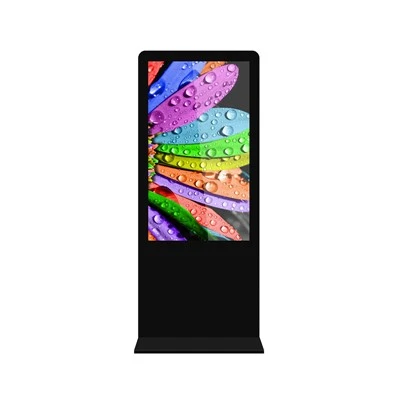
As a supplier of indoor digital signage, I’ve witnessed firsthand the transformative power these dynamic displays can have on various indoor environments, from retail stores and corporate lobbies to healthcare facilities and educational institutions. The success of any indoor digital signage project hinges on a deep understanding of user experience (UX). In this blog, I’ll delve into the key user – experience considerations that should guide every decision when deploying indoor digital signage. Indoor Digital Signage
Understanding the Audience
The first step in creating a great user experience with indoor digital signage is to understand the audience. This involves more than just knowing the demographic details such as age, gender, and occupation. It’s about understanding their goals, needs, and behaviors within the specific indoor environment.
For instance, in a retail store, the audience is likely to be focused on product discovery, promotions, and navigation. Digital signage can be used to showcase featured products, highlight ongoing sales, and provide directions to different sections of the store. On the other hand, in a corporate lobby, visitors may be interested in checking in, finding meeting rooms, or learning about the company’s achievements. Digital signage can offer self – check – in options, room locators, and company news.
Conducting audience research through surveys, interviews, or analyzing existing data can provide valuable insights. Observing customer behavior in the environment can also reveal patterns such as where people tend to gather, how long they stay in a particular area, and what types of information they seem to engage with. By tailoring the content and functionality of digital signage to the audience’s interests and needs, we can significantly enhance the user experience.
Content Relevance and Quality
Relevant and high – quality content is the heart of a successful indoor digital signage campaign. The content should not only match the interests of the audience but also be presented in an engaging and easy – to – understand manner.
In a healthcare waiting room, for example, relevant content might include health tips, waiting times, and information about the services offered. This content can help patients pass the time and feel more informed about their healthcare experience. The use of clear visuals, such as infographics and short videos, can make the content more accessible and appealing.
For corporate spaces, content could include company announcements, employee spotlights, or industry news. The tone of the content should align with the company’s brand image. If it’s a tech startup, the content might be more informal and trendy, while a financial institution would likely opt for a more professional and conservative tone.
Regularly updating the content is also crucial. Outdated information can make the digital signage look unprofessional and reduce user engagement. We can use content management systems (CMS) to schedule and automate content updates, ensuring that the displays always show the latest and most relevant information.
Design and Visibility
The design of indoor digital signage plays a critical role in user experience. It should be visually appealing, easy to read, and designed to attract attention without causing visual overload.
The choice of colors is important. High – contrast color combinations are generally easier to read, especially from a distance. For example, using a dark background with light text can enhance readability. However, the color scheme should also reflect the brand identity and the overall ambiance of the indoor environment.
Font size and style are also key factors. Sans – serif fonts are often preferred for digital signage as they are clear and easy to read from afar. The font size should be large enough to be visible from the expected viewing distance. In a large – scale lobby, the text may need to be much larger than in a smaller retail kiosk.
Another aspect of design is the layout. The content should be organized in a logical and uncluttered way. Using grids and clear sections can help viewers quickly understand the information presented. Along with that, ensuring proper visibility is crucial. Signage should be placed in areas where it is not obstructed by people, furniture, or other objects. Avoiding glare and reflections on the display surface is also essential, especially in spaces with a lot of natural light.
Interactivity Options
Interactivity can take the user experience of indoor digital signage to the next level. By allowing users to engage with the content, we can create a more personalized and immersive experience.
Touch – screen technology is a popular option for interactive digital signage. In a museum, visitors can use touch – screens to explore exhibits in more detail, access additional information, and even create personalized tours. In a shopping mall, touch – screen kiosks can provide detailed product information, store directories, and even loyalty program details.
Motion sensors can also add an element of interactivity. When a person approaches the digital signage, the display can automatically change the content or start a new presentation. This not only catches the user’s attention but also creates a more dynamic and engaging experience.
Augmented reality (AR) is another emerging technology that can enhance interactivity. For example, in a furniture store, customers can use their smartphones to scan a digital sign and see how a piece of furniture would look in their own home through AR.
However, when implementing interactivity, it’s important to ensure it is intuitive and easy to use. Complicated or glitchy interactive features can frustrate users and have a negative impact on the overall experience.
Technical Reliability
The technical reliability of indoor digital signage is essential for maintaining a positive user experience. A malfunctioning display or slow – loading content can quickly turn users off and damage the credibility of the business.
Choosing high – quality hardware is the first step. Robust displays, reliable media players, and stable power supplies are crucial. We should also invest in proper installation and wiring to prevent any technical issues.
Regular maintenance is equally important. This includes software updates to ensure the display is secure and running smoothly, as well as hardware checks to identify and fix any potential problems before they cause disruptions.
Remote monitoring systems can be used to keep track of the digital signage’s performance. This allows us to quickly detect and respond to any issues, such as a display going offline or a content error. By providing a reliable and consistent viewing experience, we can build trust with the users and encourage repeated engagement.
Integration with the Environment
Indoor digital signage should seamlessly integrate with the surrounding environment. This means considering the physical layout, architecture, and overall aesthetic of the space.
In a modern and minimalist corporate office, the digital signage should have a sleek and contemporary design that fits in with the overall decor. In a historical building, the signage might need to be more discreet or designed in a way that complements the traditional architecture.
The audio component, if applicable, also needs to be carefully considered. In a quiet library, loud or intrusive audio from the digital signage would be inappropriate. However, in a high – energy sports bar, audio advertising or game – related sound effects can enhance the overall experience.
Moreover, digital signage can be integrated with other systems in the environment. For example, it can be connected to access control systems to display personalized welcome messages for employees or visitors. It can also be integrated with lighting systems to create a more immersive and coordinated experience.
Data Analytics and Feedback
Collecting and analyzing data can provide valuable insights into how users interact with indoor digital signage. This data can be used to continuously improve the user experience.
Analytics tools can track metrics such as the number of views, the time spent on each piece of content, and the location where users are engaging with the signage. By analyzing this data, we can understand which types of content are most popular, what times of day have the highest engagement, and if there are any areas where the signage could be improved.
In addition to data analytics, collecting user feedback is also important. This can be done through surveys, suggestion boxes, or direct interaction with users. User feedback can provide qualitative insights that may not be captured by data analytics alone. For example, users may provide feedback on the clarity of the content, the ease of use of interactive features, or the overall aesthetics of the signage.
Using this data and feedback, we can make informed decisions about content updates, design changes, and the introduction of new features to enhance the user experience.
Conclusion
In conclusion, indoor digital signage has the potential to significantly enhance the user experience in various indoor environments. By considering factors such as the audience, content, design, interactivity, technical reliability, integration with the environment, and data analytics, we can create digital signage solutions that are engaging, useful, and reliable.

As a supplier of indoor digital signage, I’m committed to helping businesses create the best possible user experiences with our products. If you’re interested in learning more about how our indoor digital signage solutions can be tailored to your specific needs and environment, I encourage you to reach out for a procurement consultation. Let’s work together to transform your indoor spaces with innovative and user – friendly digital signage.
Indoor Digital Signage References
- Norman, D. A. (2013). The Design of Everyday Things. Basic Books.
- Neilsen, J. (1993). Usability Engineering. Morgan Kaufmann.
- Preece, J., Rogers, Y., & Sharp, H. (2015). Interaction Design: Beyond Human – Computer Interaction. Wiley.
Shanghai Vestouch Electronics Co., Ltd.
We are one of the most professional indoor digital signage manufacturers and suppliers in China, also support customized service. Please feel free to wholesale bulk advanced indoor digital signage in stock here from our factory. Welcome to contact us for quotation.
Address: Building 8, No.1098 Chuansha Road, Pudong New Area, Shanghai.
E-mail: yihong@vestouch.com
WebSite: https://www.cnvestouch.com/
